

The C650 Ultra Series Single Slider delivers fiberglass window construction with a 4 1/4” frame depth and material properties that solve the seal stress problem plaguing other window types in Montana’s temperature swings. Fiberglass expands and contracts at the same rate as insulated glass — the only frame material that does this. That synchronization reduces seal failure, water infiltration, and those warranty callbacks that eat into contractor margins.
For Montana contractors dealing with -20°F winters and 90°F summers, this window handles the thermal cycling. The fiberglass frame resists swelling, rotting, and warping while staying impervious to water, cold, heat, insects, salt air, and UV rays. That salt air resistance matters more than coastal builders think — Montana’s alkaline lakes create similar corrosive conditions that destroy lesser materials.

Frame Performance and Installation Options
The fiberglass construction changes the installation game. Unlike vinyl that gets brittle in cold or aluminum that conducts every degree of outdoor temperature straight through, this material stays dimensionally stable. The frame uses genuine fiberglass construction, not a composite or hybrid.
Installation flexibility comes from multiple frame configurations. Available frame types include Nail-on (Mounting Fin), Block Frame (Finless), Flush Fin (Z-bar), and Sloped Sill Adapter. That range handles new construction nailing fin applications, replacement block frame installations, and retrofit situations where existing frames stay in place. The sloped sill adapter addresses water management on installations where standard sills create pooling.
The slider operates on stainless-steel rollers — not plastic wheels that flat-spot in storage or crack during Montana’s first real cold snap. Hardware options include the Positive Action Lock and Cam Lock systems, both featuring multi-point engagement for security and weather sealing.
Energy Specifications and Thermal Performance
ENERGY STAR certified configurations are available, meeting the strict U-factor and SHGC requirements for Climate Zone 6. Every dual-pane unit comes with Milgard SunCoat® Low-E2 as standard — not an upgrade that homeowners skip to save money.
The thermal package includes proven components:
| Specification | Value |
|---|---|
| Frame Material | Fiberglass |
| Frame Depth | 4 1/4 inches |
| Low-E Coating | Available (SunCoat® Low-E2 standard) |
| Gas Fill | Argon gas |
| Spacer Type | Warm-edge spacers |
| Energy Certification | ENERGY STAR® v6 |
That warm-edge spacer system keeps the glass edge temperature higher, reducing condensation where it typically forms first. Combined with argon fill and Low-E coating, the package delivers real thermal performance — not just certification checkboxes.

Color and Customization Options
Four exterior colors — Frost, Harmony, Bark, and Black Bean — with interior options of white or color-matched finishes. The baked-on powder coat finish survives Montana’s UV exposure at elevation without the chalking and fading that cheaper finishes develop after five years.
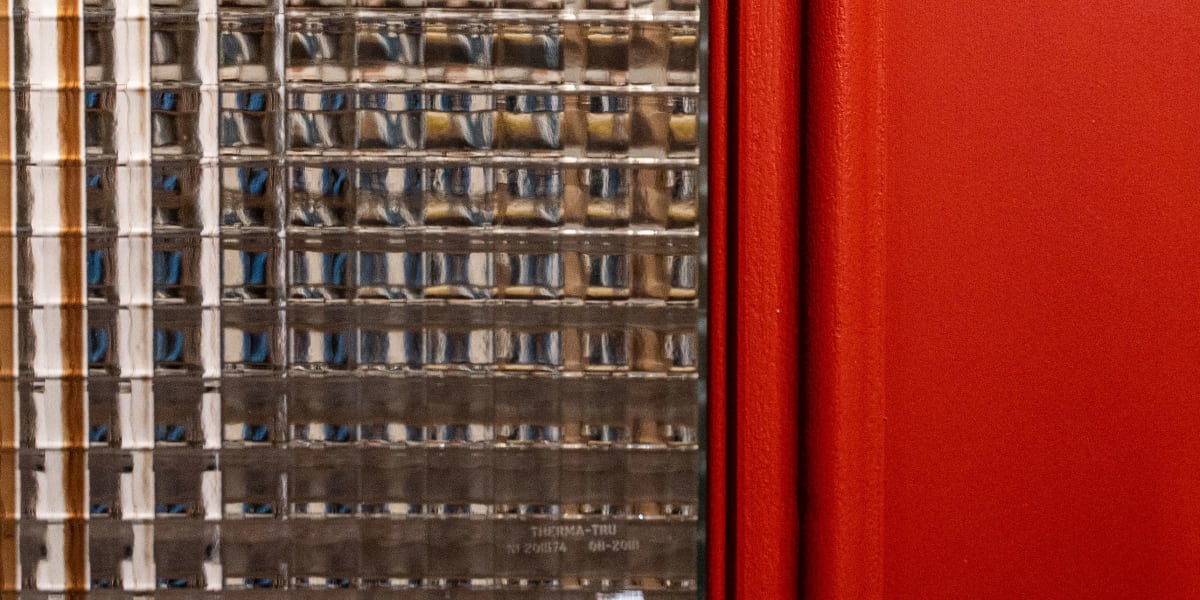
Glass options extend beyond standard clear. Available obscure glass patterns include #42 Clear, Delta Frost, Frosted Glue Chip, Satin Etch, Narrow Reed, P516, and Rain. Grid options range from Flat Grids Between the Glass and Sculptured Grids Between the Glass to 3/4” Narrow Vintage SDL and 1-1/8” Standard Vintage SDL for authentic divided light appearance.
Screen options include Standard Mesh and PureView® Mesh — the latter using finer wire for improved visibility without sacrificing insect protection.

Professional Assessment
This window works. The fiberglass frame solves real problems that vinyl and aluminum create in Montana’s climate. The thermal expansion match with glass isn’t marketing fluff — it’s measurable engineering that prevents the seal failures contractors see with mismatched materials.
Ideal for replacement, new construction, and remodeling projects, particularly useful for locations like balconies or patios where a non-protruding window is desired. The slider configuration makes sense where casements would interfere with deck railings or walkways.
Backed by a Full Lifetime Warranty covering frame, glass, hardware, and finish. The Lifetime Limited Warranty extends up to 20 years — long enough for the original homeowner but structured to protect the manufacturer on resales.
The trade-offs are honest. Fiberglass costs more than vinyl upfront. The material doesn’t weld at corners like vinyl, relying instead on mechanical fastening and sealants. Color options are limited compared to paintable wood. But for contractors who understand that callbacks cost more than materials, the C650 Ultra Series Single Slider delivers measurable value through reduced warranty claims and satisfied customers.
Frequently Asked Questions
What makes fiberglass better than vinyl for Montana installations?
Fiberglass expands and contracts at the same rate as insulated glass, preventing seal stress during temperature swings. Vinyl expands 7 times more than glass, creating constant stress on the glazing seal. In Montana’s climate with 100°F+ annual temperature ranges, that differential movement causes premature seal failure in vinyl windows.
Can these windows handle Montana’s snow loads?
The windows themselves don’t bear snow loads — that’s the wall framing’s job. But the fiberglass frame’s resistance to warping and dimensional stability means the window maintains proper operation even when the surrounding structure shifts under load. The material won’t bow or bind like vinyl when the header deflects.
How do the C650 sliders compare to casement windows for energy efficiency?
Sliders inherently have more air infiltration than casements due to the sliding seal design versus compression seals. However, the stainless-steel roller system and quality weatherstripping minimize this difference. In locations where casements aren’t practical, these sliders provide the next best thermal performance.
What’s the real-world lifespan of the Low-E coating?
SunCoat® Low-E2 comes standard on all dual-pane units. Soft coat Low-E applied to surface 2 or 3 of the IGU lasts the life of the sealed unit — it’s protected inside the glass sandwich. Unlike aftermarket films, it won’t peel, bubble, or degrade.
Do these windows meet egress requirements?
Depends on the size ordered. Sliders can meet egress when specified with appropriate dimensions. The horizontal sliding operation provides full clear opening width, unlike single-hung windows where only half the window area opens. Verify local code requirements for minimum clear opening dimensions.
Ready to Get Started?
Our windows specialists can help you find the right Milgard products for your project.
More from Milgard


Explore All Milgard Products
We carry Milgard across all 11 Montana and Idaho stores.


