

The 8.8 CFM @ 90 PSI output makes this the highest-performing portable compressor you can run on a standard 115V outlet. That’s not marketing fluff — it’s measurable airflow that matters when you’re running multiple nailers or a spray gun that needs continuous air.
Skip the Rolair line if you only need occasional air for tire inflation or a single brad nailer. The premium you pay for commercial-grade components like Square D pressure switches and Swedish lamellar reed valves won’t return value on light-duty work. A basic pancake compressor handles those jobs fine at half the cost.
The Dual-Control Advantage
The dual-control module lets you switch between start/stop and constant-speed operation — a feature you won’t find on most portable compressors. Run it in start/stop mode for typical construction work where the compressor cycles with tool use. Switch to constant-speed for spray painting or sandblasting where consistent pressure matters more than motor cycling.
Rolair focuses exclusively on air compressors, and their reputation centers on using high-quality parts like cast iron pumps and tanks. The 6820K17D model backs this up with specifics: cast-iron twin cylinders, aluminum alloy connecting rods with automotive-style inserts, and an 11-inch multi-finned flywheel for cooling. These aren’t budget shortcuts — they’re deliberate choices that extend equipment life.
For 115V operation, a 20A dedicated breaker is highly recommended. Don’t try running this on a circuit shared with other tools. The startup surge will trip a 15A breaker, and even a shared 20A circuit causes problems when the compressor kicks on while you’re using other equipment.
Performance That Matters
The specifications tell the real story of why contractors choose this over cheaper alternatives:
| Specification | Value |
|---|---|
| CFM @ 90 PSI | 8.8 |
| CFM Displaced | 12.5 |
| Tank Capacity | 9 Gallons (Twin Tank) |
| Recovery Time (0-125 PSI) | 64 seconds |
| Noise Level | 71 dB |
| Weight | 174 lbs |
| Voltage Options | 115V / 230V |
Users consistently praise the unit for quiet operation and exceptionally fast recovery time. That 64-second recovery from empty to full pressure means less waiting between tasks. The 71 dB noise level — about as loud as a vacuum cleaner — lets you work without destroying your hearing or annoying the neighbors.
The wheelbarrow style chassis handles rough terrain better than typical two-wheel designs. At 174 pounds, you need that mobility. This isn’t a compressor you carry — it’s one you roll to where you need it and leave it there for the day.

Built for Real Work
The dual-voltage switch allows for 230V operation, but requires specific rewiring of the motor/switch. Most contractors stick with 115V unless they have a dedicated 230V circuit in their shop. The real value is flexibility — run it on jobsite power today, convert it to 230V when you build out your shop.
The Swedish lamellar reed valves aren’t something you’ll see on HomeDepot specials. These flexible steel reeds handle millions of cycles without fatigue, unlike conventional disc valves that eventually crack and fail. Combined with the air-cooled aftercooler, they keep discharge air temperature reasonable even during extended runs.
Check oil regularly via sight gauge; use 34 oz splash lubrication oil. The glass sight gauge beats dipsticks — you can check oil level at a glance without removing anything. Splash lubrication is simple and reliable, with fewer failure points than pressure-fed systems.
Applications include multiple framing and roofing nail guns, air ratchets and impact wrenches, media blasters and grinders, and spray painting. That’s the real test — this compressor keeps up with a two-man framing crew running coil nailers continuously. Try that with a pancake compressor and you’ll be waiting for pressure every few minutes.

Frequently Asked Questions
Q: Can this compressor run on a standard 15A household circuit?
No. For 115V operation, a 20A dedicated breaker is highly recommended. The motor draws too much current on startup for a 15A breaker, and sharing a 20A circuit with other tools causes nuisance trips when the compressor cycles on.
Q: How does the dual-control feature actually work?
The dual-control module allows switching between start/stop and constant-speed modes. In start/stop mode, the motor cycles on and off based on tank pressure — normal operation for most air tools. Constant-speed mode keeps the motor running continuously, maintaining steady airflow for spray painting or sandblasting where pressure fluctuations affect finish quality.
Q: What maintenance does this compressor require?
Check oil regularly via the sight gauge using 34 oz of splash lubrication oil. The intake filter has a replaceable element — change it when it gets dirty, typically every few months of regular use. Drain moisture from the tanks daily to prevent rust.
Q: Is the 174-pound weight manageable for jobsite use?
The wheelbarrow style chassis makes it mobile despite the weight. You’re not lifting it — you’re rolling it like a wheelbarrow. The weight comes from cast-iron twin cylinders and quality components that outlast aluminum alternatives.
Q: What’s the actual difference between 115V and 230V operation?
Running on 230V reduces amp draw and allows slightly better motor efficiency, but requires specific rewiring of the motor/switch. The compressor produces the same CFM either way. Most contractors run 115V unless they have an existing 230V circuit.
Ready to Get Started?
Our tools specialists can help you find the right Rolair products for your project.
More from Rolair


Explore All Rolair Products
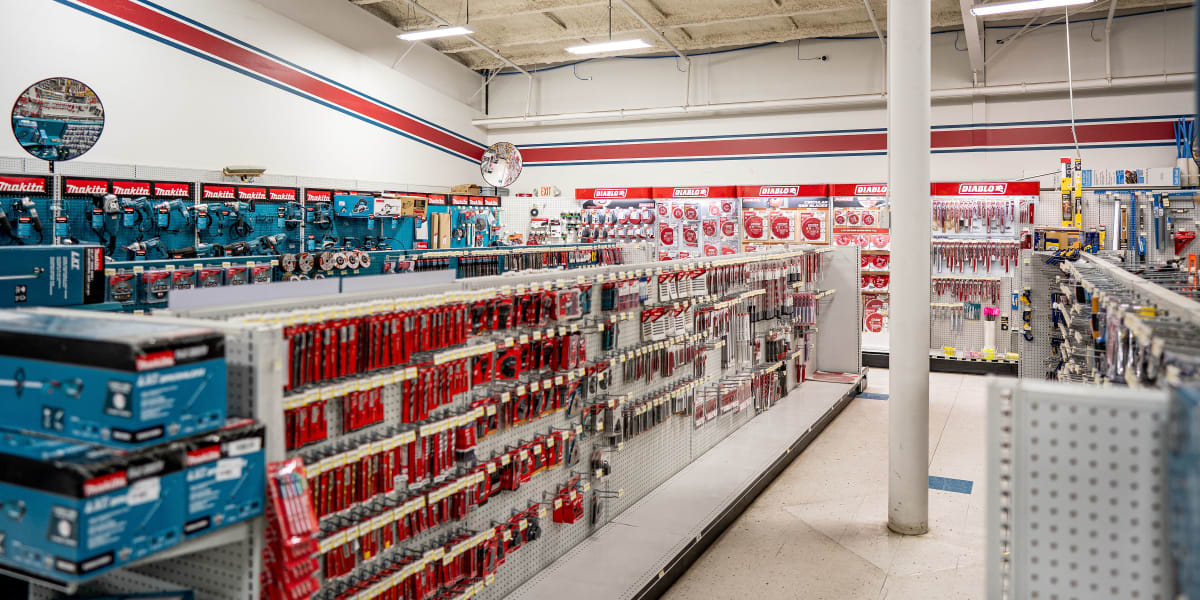
We carry Rolair across all 11 Montana and Idaho stores.
