The Kreg 1.25” coarse thread pocket screws are engineered for 3/4” material thickness — the sweet spot for cabinet face frames and furniture assembly. At #8 gauge with zinc plating, these 500-count screws handle the bulk of interior woodworking projects where pocket holes make sense. The 4.8-star rating across 1,456+ reviews from multiple retailers backs up what contractors already know — these screws work.
Skip these if you’re joining hardwoods or working outdoors. Coarse threads are for softwoods and composites only — oak and maple need fine threads to prevent splitting. The zinc plating won’t hold up outside either. Blue-Kote or stainless options exist for weather exposure.

Technical Specifications and Material Compatibility
These screws target softwoods like pine, fir, and cedar, plus engineered products including plywood, MDF, and particleboard. The 1.25” length is specifically calculated for 3/4” (19mm) material — the most common thickness in cabinet construction.
| Specification | Value |
|---|---|
| Length | 1.25 inches (31.75 mm) |
| Gauge | #8 |
| Thread Type | Coarse |
| Head Style | Maxi-Loc (Large Washer Head) |
| Drive Type | Square-Drive (No-Slip) |
| Material | Case-hardened carbon steel |
| Finish | Zinc-plated |
| Compatible Thickness | 3/4-inch (19 mm) |
The case-hardened steel construction prevents the bending and snapping that cheaper screws suffer when you hit a knot or dense grain. That matters when you’re driving hundreds of screws per project. The self-tapping tip eliminates pre-drilling on the receiving board — another time saver that adds up over a full kitchen’s worth of face frames.
Maxi-Loc Head Design and Square Drive System
The Maxi-Loc washer head provides large surface area contact in the pocket-hole seat, preventing over-driving that can blow through thin material edges. This isn’t marketing fluff — the wider bearing surface genuinely reduces material failure at the pocket hole. Cabinet shops running production know the difference between a screw that seats properly and one that splits the material on the 500th face frame of the week.
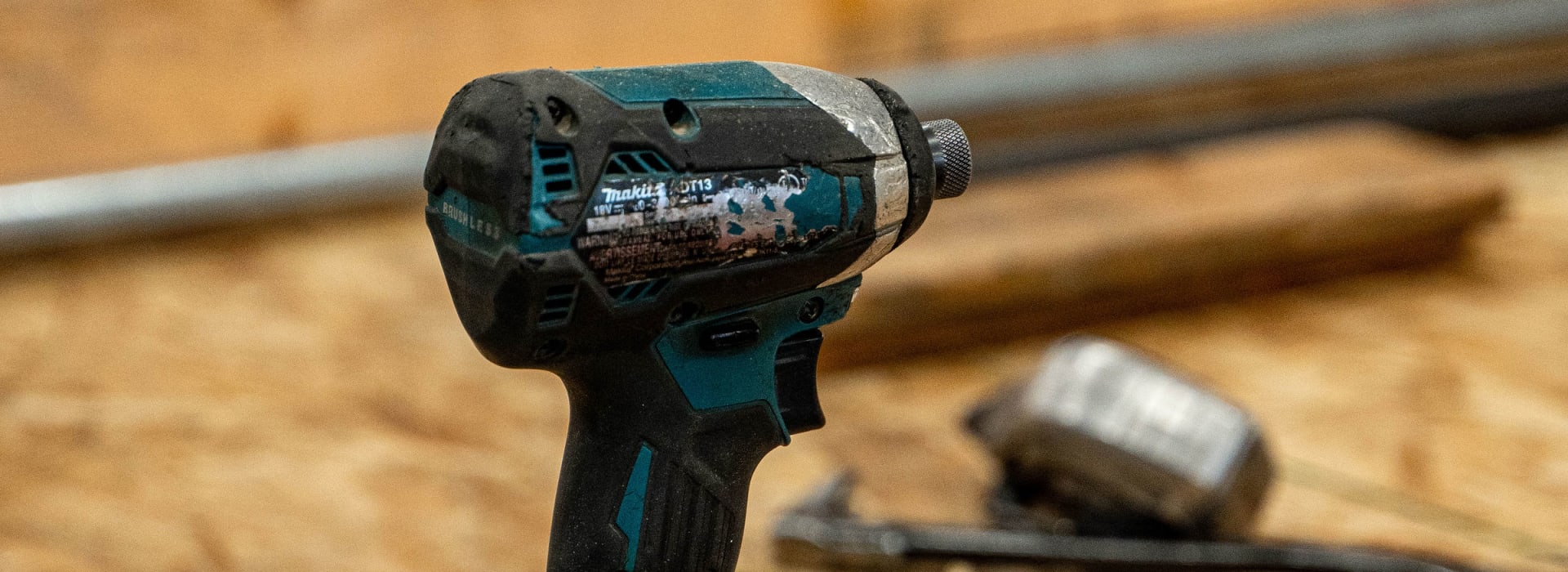
The square drive eliminates cam-out completely. Phillips and even Robertson drives slip under torque. Square drive doesn’t. When you’re reaching into tight cabinet interiors or working overhead, that no-slip grip matters more than spec sheets suggest. Your impact driver stays engaged, the screw goes where you aimed it, and you’re not stripping heads or snapping bits.
Standard Kreg jigs and a #2 square-drive bit are all you need. The screws work with any Kreg pocket-hole system. The 500-count pack comes in Kreg’s resealable plastic container — dump it in your tool bag and the lid actually stays closed.
Production Value and Contractor Considerations
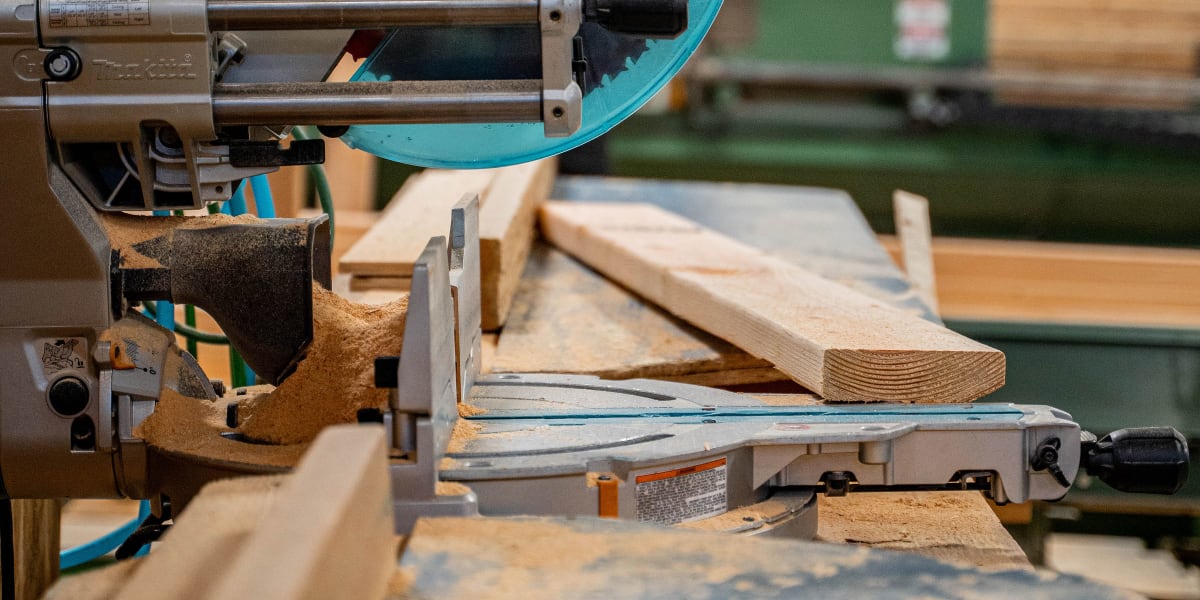
Five hundred screws sounds like overkill until you’re framing a kitchen’s worth of cabinets. Figure 4-6 screws per face frame joint, multiply by a 30-box kitchen, add the inevitable drops and you’re looking at 400+ screws easy. The bulk pack makes sense for anyone doing volume work.
These are interior-only fasteners. The zinc finish provides basic rust protection for dry environments but won’t stand up to Montana’s freeze-thaw cycles or summer humidity. For outdoor projects, Blue-Kote or stainless options handle weather exposure.
Professional contractors report minimal failures over decades of use — one user cited just one failure in 20+ years, and that was on rotted outdoor wood where these screws had no business being used. That’s the track record that matters more than any warranty claim.

Frequently Asked Questions
Q: Can I use these 1.25” screws for materials thicker than 3/4”?
A: No. These are optimized for 3/4” material thickness. Thicker stock needs longer screws to achieve proper thread engagement. Using undersized screws compromises joint strength.
Q: What’s the actual difference between coarse and fine thread pocket screws?
A: Coarse threads grip softwoods and composite materials. Fine threads prevent splitting in hardwoods like oak and maple. Using coarse threads in hardwood risks splitting the material at the pocket hole.
Q: Do I need special drill bits for these screws?
A: You need a standard Kreg jig and a #2 square-drive bit. The self-tapping tip means no pre-drilling of the receiving piece. The pocket hole itself still requires the stepped drill bit that comes with Kreg jigs.
Q: Why zinc plating instead of other finishes?
A: Zinc plating provides adequate corrosion resistance for interior woodworking. For outdoor use or high-moisture environments, upgrade to Blue-Kote or stainless steel options.
Q: What causes pocket screws to fail?
A: In 20+ years of documented use, failures are extremely rare when used properly. Common mistakes include using coarse threads in hardwood, undersizing screws for material thickness, or using interior screws in exterior applications.
Ready to Get Started?
Our tools specialists can help you find the right Kreg products for your project.
More from Kreg


Explore All Kreg Products
We carry Kreg across all 11 Montana and Idaho stores.
