
The 2-5/16” CURT trailer ball handles capacities from 7,500 to 30,000 lbs with specialized finishes for different Montana environments. Worth it for contractors who haul heavy equipment, dump trailers, or large livestock haulers. The capacity range covers everything from mid-size equipment trailers to the heaviest goosenecks Montana roads allow.
Skip it if you’re just pulling utility trailers or boat trailers. Those need a 2” ball, not this larger size. The 2-5/16” diameter (58.7mm) fits heavy-duty couplers on dump trailers, large livestock/horse trailers, heavy equipment trailers, and RV campers.
The Weight Capacity Spread That Actually Matters
CURT offers this ball size in capacities from 6,000 to 30,000 lbs, with most contractors needing the 10,000 to 20,000 lb range. The shank diameter determines your real capacity limits.
| Specification | Value | Notes |
|---|---|---|
| 1” Shank Capacity | 7,500 - 12,000 lbs | Standard for Class IV hitches |
| 1-1/4” Shank Capacity | 10,000 - 30,000 lbs | Required for Class V hitches |
| Typical 1” Length | 2-1/4” | Fits most standard mounts |
| Typical 1-1/4” Length | 2-5/8” to 3” | Longer for heavier applications |
Model 40039 delivers 12,000 lbs capacity on a 1” shank with chrome finish. That’s the sweet spot for contractors pulling mid-weight equipment trailers. Model 40085 jumps to 30,000 lbs capacity with raw steel finish and 1-1/4” x 2-5/8” shank. No chrome on that beast — raw steel for maximum strength where pretty doesn’t matter.
Installation That Won’t Come Loose on Washboard Roads
The 1” shank needs 250 ft-lbs torque. The 1-1/4” shank requires 450 ft-lbs. Those aren’t suggestions. Under-torqued balls work loose on Montana’s frost-heaved backroads. Over-torqued balls strip threads or crack mounts.
Your mounting platform needs minimum 3/8” thickness. Thinner platforms flex under load, especially with heavy tongue weights on rough roads. The mounting hole can’t exceed 1/16” larger than shank diameter. Sloppy holes let the ball shift, creating wear patterns that lead to failure.
Model 40007 includes built-in wrench flats for easier installation. Smart feature when you’re swapping balls between different trailer types. All models include zinc-plated hex nut and helical lock washer. The lock washer matters — regular flat washers let nuts back off from vibration.

Chrome vs Raw Steel — Pick Your Rust Protection
Chrome-plated models use nickel-alloy base coating under the chrome for enhanced rust protection. That double-layer system holds up better than straight chrome, which flakes off after a few winters of road salt. Chrome finish can flake if heavily salted — the trade-off for corrosion resistance.
Stainless steel option delivers 8,000 lbs capacity for marine use. Lower capacity but won’t rust even if you launch boats in brackish water every weekend. Raw steel handles the maximum 30,000 lbs — when you need every pound of capacity and plan to replace the ball before rust becomes structural.
Heat-treated for wear resistance across all finishes. The ball-to-coupler contact point takes serious abuse from constant pivoting under load. Heat treating hardens that surface without making the steel brittle.

FAQ
What size trailer coupler fits a 2-5/16” ball? This ball diameter fits 2-5/16” trailer couplers used on dump trailers, large livestock/horse trailers, heavy equipment trailers, and RV campers. It’s the standard size for trailers over 10,000 lbs gross weight.
Can a 2-5/16” ball work with a Class III hitch? Depends on the hitch’s weight rating, not its class. Full-size pickup trucks, SUVs, and commercial vehicles with Class 4 or 5 hitches typically handle these balls. Check your hitch’s capacity sticker — it needs to match or exceed your ball’s rating.
How often should the ball be re-torqued? Perform periodic torque checks for safety. Check after the first 50 miles of towing, then every 500 miles or before long trips. Montana’s temperature swings and rough roads accelerate loosening.
What’s the warranty on CURT trailer balls? Limited Lifetime Warranty on the product; 1-year limited warranty on finish and parts. The ball itself won’t fail from normal use, but chrome flaking or hardware corrosion falls under the shorter coverage.
Do these meet safety standards? Tested to meet VESC V-5 safety specifications and SAE J684 compliance. Those aren’t marketing claims — they’re industry testing standards for load capacity and material strength.
Ready to Get Started?
Our tools specialists can help you find the right CURT products for your project.
More from CURT


Explore All CURT Products
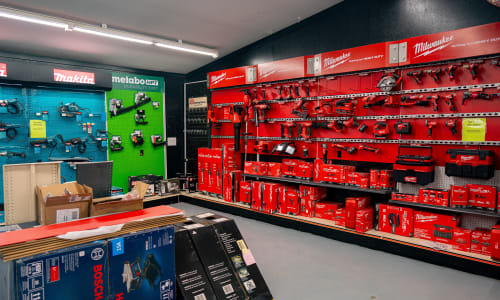
We carry CURT across all 11 Montana and Idaho stores.
