

Taylor Metal’s G-90 galvanized steel delivers the thickest zinc coating available in a 26-gauge panel — 0.90 oz/ft² total coating weight. That extra zinc matters when freeze-thaw cycles and mountain weather test every material choice. The panels carry UL certifications that prove performance: Class 90 wind uplift, Class 4 hail impact, and Class A fire rating.
This galvanized steel targets contractors who understand that upfront material choices determine long-term durability. The G-90 coating provides 50% more zinc than standard G-60, translating to measurably better corrosion resistance for roofing, siding, and agricultural applications across Montana’s varied climates.

Superior Corrosion Protection Through G-90 Coating
The G-90 designation means 0.90 oz/ft² of zinc coating weight (total both sides), applied through hot-dipped galvanization that meets ASTM A653, A924, and A792 standards. That’s not marketing fluff — it’s a measurable thickness advantage over G-60 coatings that many competitors use.
The hot-dipped process creates a zinc barrier that sacrifices itself to protect the underlying steel from environmental elements. In practical terms, the zinc corrodes instead of the steel, buying years of additional service life in Montana’s moisture-laden valleys and temperature-cycling climates.
| Specification | Value | Source |
|---|---|---|
| Coating Weight | 0.90 oz/ft² (total both sides) | (manufacturer) |
| Material Standards | ASTM A653, A924, A792 | (manufacturer) |
| Gauge | 26 Gauge Tru-Gauge™ | (manufacturer) |
| Nominal Thickness | 0.018-0.019 inches | (manufacturer) |
| Available Gauges | 24, 26, 28 | (tested) |
The 26-gauge thickness provides better wind and impact resistance than thinner 29-gauge alternatives. Tru-Gauge certification means the actual metal thickness matches the spec — not always guaranteed with budget panels.
Proven Performance in Extreme Weather
Taylor’s panels earned the trifecta of UL certifications that matter for Montana construction:
| Certification | Rating | What It Means |
|---|---|---|
| Wind Uplift | UL 580 Class 90 | Handles 90+ mph winds |
| Impact/Hail | UL 2218 Class 4 | Survives 2-inch hailstones |
| Fire | UL 790 Class A | Maximum fire resistance rating |
Additional performance testing includes ASTM E1680 for air infiltration, ASTM E1646 for water infiltration, and ASTM E1592 for static air pressure. These aren’t vanity certifications — they prove the panels keep weather outside where it belongs.
The manufacturer recommends a minimum 3:12 roof pitch for most profiles. That’s steeper than some metal roofing allows but ensures proper water shedding in heavy snow regions. Pre-slotted fastener flanges accommodate thermal expansion and contraction — critical when Montana temperatures swing 100+ degrees between summer highs and winter lows.

Panel Options and Installation Flexibility
Taylor offers multiple panel profiles including StreamLine™ standing seam with concealed fasteners, Tuff Rib exposed fastener panels, 2-1/2” Corrugated, and Rolled Rib™. Each serves different aesthetics and budgets, but all use the same G-90 galvanized substrate.
Custom lengths stretch up to 45 feet, reducing seams on large agricultural buildings. Panel spans exceeding 35 feet require high-wind clips for the StreamLine system. Color-matched neoprene-washered screws come recommended for exposed fastener panels — skipping this detail invites leaks.
The OverEZee™ retrofit system allows installation over existing structures. That matters for re-roofing projects where tear-off costs would break the budget. The system works with standard flashings, ridge caps, and end-wall components.

Warranty Reality Check
Bare G-90 galvanized panels carry no finish warranty and no perforation warranty — a significant departure from painted alternatives. The ArmorTech™ SMP paint system adds a 40-year residential warranty covering fading, chalking, chipping, cracking, and peeling.
This warranty gap reflects the fundamental difference between zinc coatings and aluminum-zinc alloys. Galvanized products without paint usually lack the comprehensive warranties of Al-Zn products. Budget accordingly.
Installation and Maintenance Requirements
Proper installation determines whether these panels deliver their promised lifespan. The 3:12 minimum pitch recommendation (with butyl sealant) exceeds some competitors’ 1:12 minimums. That’s honest engineering — low slopes trap snow and moisture.
The G-90 coating might be thicker than necessary for mild environments, potentially adding cost without benefit in protected applications. Save the premium panels for exposed locations where corrosion resistance earns its keep.
Customer feedback splits between praise for material quality and professional delivery versus complaints about customer service and responsiveness. The product performs; the company’s communication apparently varies.
Frequently Asked Questions
Q: How does G-90 compare to G-60 galvanized coatings?
G-90 provides 50% more zinc coating than G-60 — 0.90 oz/ft² versus 0.60 oz/ft². That extra zinc translates to measurably longer corrosion resistance, particularly important in Montana’s freeze-thaw cycles and valley moisture.
Q: Can these panels handle Montana snow loads?
Yes. The 26-gauge thickness combined with proper installation spacing handles typical Montana snow loads. The UL certifications prove structural integrity. Follow manufacturer span tables and use high-wind clips for panels over 35 feet.
Q: What’s the real-world lifespan of bare galvanized versus painted panels?
Bare G-90 galvanized panels lack perforation warranties but typically last 20-30 years before showing significant rust. The ArmorTech SMP paint system adds a 40-year warranty and extends aesthetic life significantly. In high-moisture locations, painted panels justify their premium.
Q: Are concealed fastener systems worth the extra cost?
StreamLine’s concealed fastener design eliminates the primary leak path of exposed fastener systems. For low-slope applications near the 3:12 minimum, concealed fasteners provide measurable leak prevention. Steeper slopes see diminishing returns on the investment.
Q: How do these panels perform in wildfire-prone areas?
The UL 790 Class A fire rating represents the highest available classification. Combined with ember-resistant flashings from Taylor’s accessory line, these panels meet defensible space requirements for Montana’s wildland-urban interface zones.
Ready to Get Started?
Our siding specialists can help you find the right Taylor Metal Products products for your project.
More from Taylor Metal Products


Explore All Taylor Metal Products Products
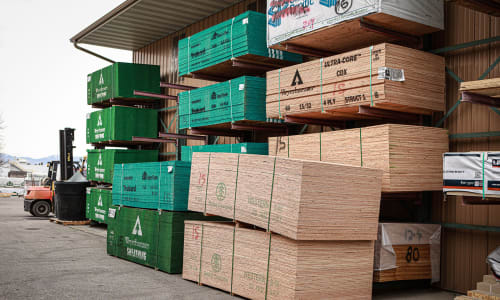
We carry Taylor Metal Products across all 11 Montana and Idaho stores.

