

LP’s 16-foot trim boards solve the seam problem that plagues most exterior trim jobs. At 0.910 inches actual thickness and running the full 16 feet, these engineered boards dramatically reduce the number of butt joints on any project. For Montana contractors dealing with 100+ freeze-thaw cycles per year, fewer joints means fewer places for moisture to infiltrate and cause problems down the road.

SmartGuard Protection and Real-World Performance
The SmartGuard process infuses the engineered wood substrate with zinc borate, resins, and waxes, creating a trim board that resists both moisture and wood-destroying organisms. LP backs this with a 5/50 Year Limited Warranty that includes 5 years of 100% labor and replacement cost coverage — serious protection for a trim product.
The 50-year prorated warranty on the substrate material reflects confidence in the SmartGuard treatment. Montana’s extreme temperature swings and high-elevation UV exposure typically accelerate trim deterioration, but the zinc borate treatment provides measurable protection that holds up under warranty scrutiny.
Professional feedback emphasizes the importance of following the 3/16’ gap and sealant requirements for long-term performance. This isn’t optional — it’s critical for warranty compliance and preventing moisture-related failures.
Installation Specifications That Matter
The devil’s in the details with engineered trim installation. Minimum 0.113 inch diameter shank nails with 2 per framing member at 16 or 24 inches on center provide the holding power needed for Montana’s temperature extremes. A 3/16 inch gap is required at all butt joints and where trim meets siding or windows, and these gaps must be filled with sealant.
Ground clearance requirements are strict: 6 inches from the ground and 1-2 inches from rooflines, decks, or concrete. Spring snowmelt in Montana creates extended ground moisture conditions that will void warranties if clearance specs aren’t followed.
Paint requirements include priming and painting within 180 days with a high-quality exterior acrylic latex paint system. At Montana elevations, UV exposure accelerates finish degradation, making prompt painting essential.
| Specification | Value |
|---|---|
| Actual Thickness | 0.910 inches (23.1 mm) |
| Actual Width | 1.5 inches (38 mm) |
| Actual Length | 16 feet (4.88 m) |
| Fastener Requirements | Minimum 0.113” diameter shank nails |
| Gap Requirements | 3/16” at all butt joints |
| Ground Clearance | 6 inches minimum |

Weight, Handling, and Jobsite Reality
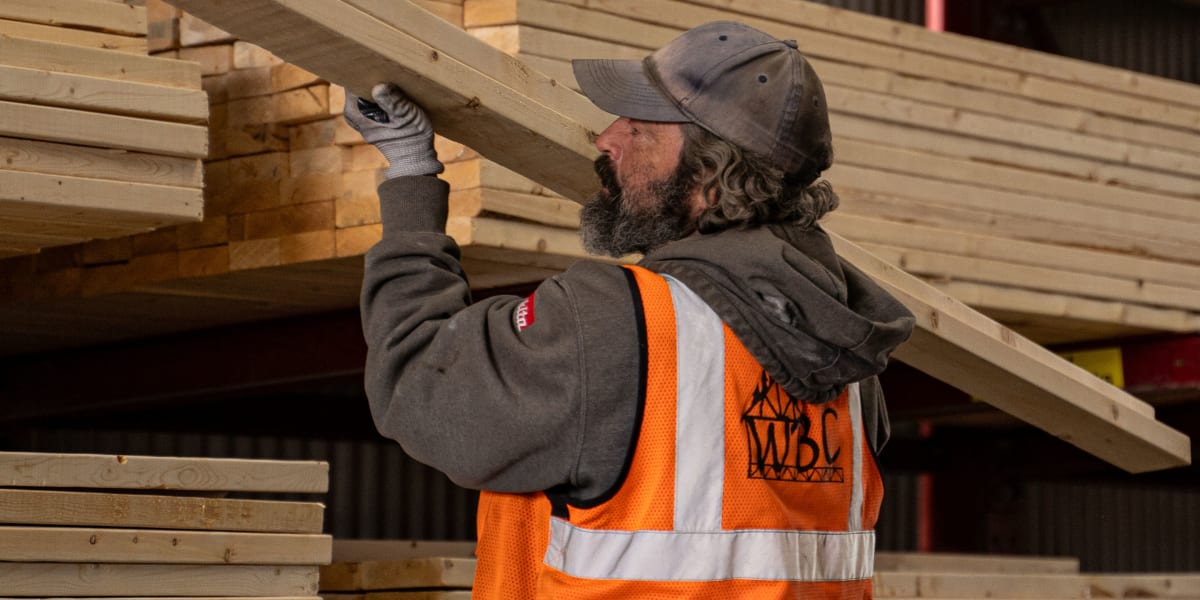
LP SmartSide is more impact-resistant and lighter than fiber cement, plus it’s available in these 16’ lengths versus the standard 12’ for fiber cement. The weight advantage matters when crews are handling dozens of boards per day. It’s also easier to cut without specialized dust-extraction tools — standard woodworking equipment handles it fine.
The cedar texture finish provides authentic wood grain appearance that takes paint well. Users consistently praise the durability and ‘real wood’ look of the cedar texture, with ease of installation highlighted as a major benefit for both DIYers and pros.
For Montana’s ranch-style homes and agricultural buildings, the 16-foot lengths reduce waste significantly. Fewer cuts, fewer joints, faster installation — that efficiency adds up on large projects.
Frequently Asked Questions
Q: How does the 16-foot length compare to standard trim options? A: At 16 feet actual length, these boards are 4 feet longer than typical fiber cement trim. This reduces butt joints by 25% on most installations, meaning fewer potential failure points and cleaner sight lines.
Q: What type of sealant works with SmartSide trim? A: ASTM C920 Class 25 or higher non-hardening sealants are required for the gap joints. Don’t skimp here — proper sealant selection is critical for long-term performance.
Q: Can this trim handle Montana’s freeze-thaw cycles? A: The SmartGuard process with zinc borate provides advanced protection against moisture, which is essential for freeze-thaw resistance. Combined with proper installation gaps and ground clearance, it’s engineered to handle temperature cycling.
Q: What makes this different from natural wood trim? A: LP SmartSide offers better dimensional stability, fewer knots/defects, and superior resistance to rot and termites compared to natural wood. The engineered substrate won’t cup, warp, or split like solid lumber often does in Montana’s climate.
Q: Is the cedar texture just surface deep? A: The deep cedar grain finish is pressed into the primed surface during manufacturing. It’s not a film or coating that can peel off — it’s integral to the board face.
Ready to Get Started?
Our siding specialists can help you find the right Louisiana-Pacific products for your project.
More from Louisiana-Pacific



Explore All Louisiana-Pacific Products
We carry Louisiana-Pacific across all 11 Montana and Idaho stores.

