Allura’s vented fiber cement soffit panels solve Montana’s ice dam prevention challenge with hurricane-force wind resistance and Class A fire rating. The 6.9 square inches per linear foot of ventilation moves enough air to prevent the attic moisture buildup that causes ice dams during freeze-thaw cycles. At approximately 45-50 pounds per panel, crews need two people for installation, but the panels won’t warp or crack like wood soffits after a few Montana winters.
Performance in Extreme Conditions
The panels withstand hurricane-force winds when properly fastened — that matters when chinook gusts hammer the Rocky Mountain Front. The Class A fire rating (Flame Spread Index: 0) provides real protection in Montana’s extreme wildfire zones. Traditional wood soffits become kindling. Vinyl melts. These fiber cement panels resist damage from wood-boring insects and won’t rot.
The dimensional stability means they won’t warp, crack, split, or swell through Montana’s 100+ annual freeze-thaw cycles. Engineered to repel moisture, they handle spring snowmelt without absorbing water that leads to winter freeze damage.
| Specification | Value |
|---|---|
| Fire Rating | Class A (Flame Spread Index: 0, Smoke Developed Index: ≤ 5) |
| Ventilation | 6.9 sq in net free air per linear foot |
| Flood Resistance | FEMA Class 5 Flood Damage-Resistant Material |
| Material Standard | ASTM C1186 Type A, Grade II |
| Weight | ~45-50 lbs per panel (1.9-2.1 lbs/sq ft) |
Installation Requirements
Each 24” x 12’ panel covers 24 square feet. Installation requires corrosion-resistant roofing nails or screws — standard fasteners will rust and stain the panels. Maintain 1/4” spacing at all joints for expansion and contraction through temperature swings.
Cut with fiber cement shears or diamond-tipped circular saw blades with dust collection. Regular blades burn out fast and create hazardous silica dust. Primed boards must be painted within 180 days of installation — Montana’s UV exposure will degrade unfinished primer.
The traditional cedar texture provides realistic wood grain appearance without the maintenance headaches of actual cedar. Pre-cut sizes minimize jobsite cutting, speeding installation compared to field-cutting wood soffits.
The Bottom Line
Worth it for any Montana project where ice dam prevention, fire resistance, or wind resistance matter. The vented design moves enough air to prevent attic moisture problems. The fiber cement construction survives conditions that destroy wood and vinyl alternatives.
Fiber cement panels weigh more than vinyl or aluminum options — plan for two-person crews and proper handling to avoid cracking. Contractors praise Allura’s durability and versatility for exterior design, especially in harsh climates where traditional materials fail.
For new construction in wildfire zones, these panels deliver required fire ratings while maintaining proper attic ventilation. For retrofits dealing with ice dam damage, they provide a permanent solution that won’t need replacement every decade.

Frequently Asked Questions
How much ventilation do these panels actually provide?
Each linear foot provides 6.9 square inches of net free air space. That’s sufficient for most residential attic ventilation requirements when properly balanced with ridge vents.
Can these panels handle Montana’s temperature extremes?
The panels won’t warp, crack, split, or swell through freeze-thaw cycles. They’re engineered to repel moisture and withstand any climate.
What’s the real weight difference compared to other materials?
At 1.9-2.1 pounds per square foot, fiber cement weighs significantly more than vinyl (about 0.5 lbs/sq ft) or aluminum (about 0.7 lbs/sq ft). Plan accordingly for structural support and installation labor.
Do I need special tools for cutting?
Yes — use fiber cement shears or diamond-tipped circular saw blades with dust collection. Regular wood-cutting tools won’t work effectively and create dangerous silica dust.
What certifications back up the performance claims?
The panels meet multiple standards: ASTM C1186 for fiber cement sheets, ASTM E84 for Class A fire rating, plus ICC-ES, Texas Department of Insurance, Florida Building Code, Miami-Dade, and CalFire WUI approvals.
Ready to Get Started?
Our siding specialists can help you find the right Allura products for your project.
More from Allura


Explore All Allura Products
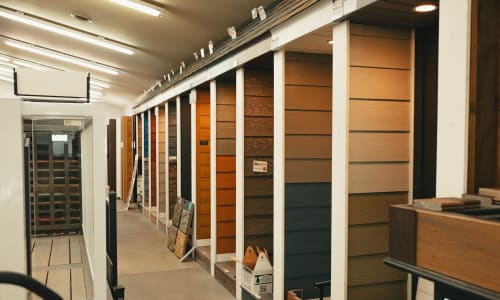
We carry Allura across all 11 Montana and Idaho stores.