
Allura’s fiber cement lap siding delivers Class A non-combustible protection and freeze-thaw tolerance with authentic cedar texture at 2.41 lbs per sq ft. Montana contractors dealing with wildfire risk and temperature extremes get a siding that won’t burn, won’t rot, and handles the state’s CalFire WUI listing requirements. The trade-off? Each board weighs 20.25 lbs — plan for two-person installation.
Fire Performance and Weather Resistance
The Class A (1) Flame Spread rating puts Allura in the non-combustible category that matters for Montana’s WUI zones. CalFire WUI Listing 8170-2180:0501 means this siding meets California’s strictest wildfire interface standards — relevant because Montana adopted similar requirements statewide.
Its resistance to impact, rot, and insects, along with its fire-resistant properties address Montana’s specific challenges. The freeze-thaw tolerant design handles temperature swings that crack lesser sidings. High impact resistance (ASTM tested) stands up to hail events that pummel the state every summer.
| Specification | Value |
|---|---|
| Fire Rating | Class A (1) Flame Spread (Non-combustible) |
| WUI Compliance | CalFire Listing 8170-2180:0501 |
| Weather Resistance | Freeze-thaw tolerant |
| Impact Rating | High impact resistance (ASTM tested) |
| Durability | Rot-resistant, termite-resistant, mold-resistant |
The real advantage shows up in wildfire-prone areas. Allura is non-combustible (fiber-cement), whereas engineered wood is combustible. Allura is better for fire-prone areas. Unlike LP SmartSide or other engineered wood products, fiber cement won’t contribute fuel to a fire.
Installation Requirements and Weight Reality
At 20.25 lbs per board, this isn’t vinyl siding. The 5/16 inch thickness and 12-foot length create a board that demands respect on the jobsite. requires 2-person install or gauges according to contractor feedback.
Critical installation specs that affect Montana performance:
| Installation Detail | Requirement |
|---|---|
| Minimum Lap | 1-1/4 inch |
| Joint Treatment | 6-inch wide joint flashing or backer plates at all butt joints |
| Fastener Type | Corrosion-resistant siding nails (hot-dip galvanized or stainless steel) |
| Fastener Spacing | Fasten at every framing stud (typically 16 inches on center) |
| Trim/Corner Gap | 1/8 inch gap |
| Window/Door Gap | 1/4 inch gap above flashing |
The 6-inch wide joint flashing requirement isn’t optional. Montana’s freeze-thaw cycles exploit any moisture entry point. Contractors who skip proper joint treatment see callbacks within two winters.
Dusty when cutting (requires silica safety precautions) means proper PPE and dust collection. Fiber cement contains crystalline silica — respect it or pay the price in worker health claims.

Real-World Performance vs. Alternatives
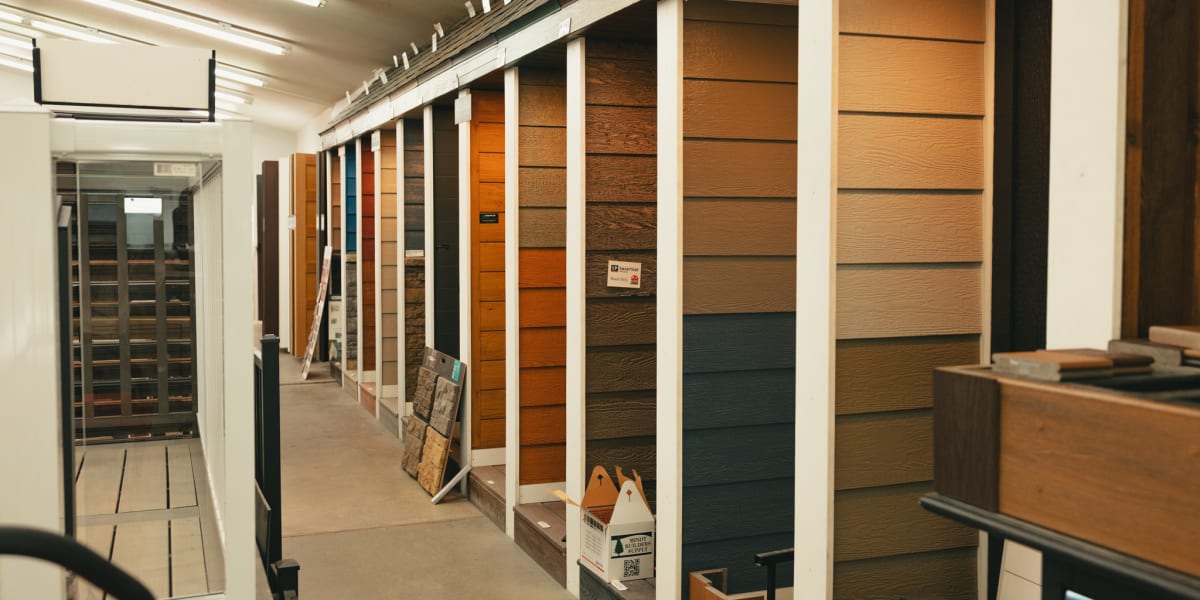
Against wood siding, Allura offers superior durability; does not rot, warp, or attract insects. Requires less frequent maintenance. Non-combustible. The maintenance reduction matters in Montana where painting seasons are short and labor costs high.
Compared to vinyl, you get higher impact resistance and realistic aesthetic. Non-combustible compared to vinyl’s low melting point. Better UV stability. That UV stability translates to longer color life at Montana’s elevations where intense sun accelerates fade.
The 30-year limited product warranty backs manufacturing defects under normal use. Standard for fiber cement, matching James Hardie’s coverage. Allura was previously CertainTeed — same product heritage, new brand name.
Bottom Line for Montana Contractors
Allura lap siding earns its place on fire-conscious builds and anywhere freeze-thaw cycles destroy lesser materials. The Traditional Cedar texture delivers realistic wood appearance without the maintenance headaches. highly authentic appearance comparable to natural cedar according to professional reviews.
The weight penalty is real — budget labor accordingly. The installation requirements are specific — follow them or face callbacks. But for Montana homes facing wildfire risk, extreme temperature swings, and decades of UV exposure, fiber cement delivers measurable advantages over combustible alternatives.
Perfect? No. proper installation is critical, as improper application can affect performance. Heavy boards slow installation. Cutting creates silica dust. But when properly installed with correct joint treatment and fastening, Allura provides non-combustible protection that lasts.

FAQ
How much does each Allura lap siding board weigh? Each 12-foot board weighs 20.25 lbs, or about 2.41 lbs per sq ft. Plan for two-person installation or mechanical assists.
Does Allura siding meet Montana wildfire codes? Yes. The Class A (1) Flame Spread rating and CalFire WUI Listing 8170-2180:0501 exceed Montana’s adopted IWUIC requirements for wildfire-prone areas.
What’s the overlap requirement for Allura lap siding? Minimum 1-1/4 inch lap overlap. Additionally, all butt joints require 6-inch wide joint flashing or backer plates.
Can Allura siding handle Montana’s freeze-thaw cycles? Yes. The product is specifically freeze-thaw tolerant and engineered for extreme weather including snow, ice, hail, high winds.
What type of nails should I use for Allura siding? Use corrosion-resistant siding nails (hot-dip galvanized or stainless steel) with minimum 1 inch head, 1-1/4 inch penetration into framing.
Ready to Get Started?
Our siding specialists can help you find the right Allura products for your project.
More from Allura


Explore All Allura Products
We carry Allura across all 11 Montana and Idaho stores.