
Allura’s fiber-cement lap siding combines Class A fire rating with freeze-thaw tolerance at 20.25 pounds per board — heavy enough that contractors need two people for installation, but engineered specifically for extreme weather zones where wood siding fails and vinyl melts.
The CalFire WUI listing (8170-2180:0501) makes this non-combustible siding increasingly essential as Montana insurance companies tighten coverage in wildfire zones. With high impact resistance tested to ASTM standards and engineered for snow, ice, hail, and high winds, it handles Montana’s temperature swings without the warping, splitting, or shrinking that destroys lesser materials.
Fire-Resistant Performance for WUI Areas
The Class A (1) Flame Spread rating means this siding won’t contribute fuel to a wildfire. That’s not marketing fluff — it’s the difference between keeping insurance coverage and getting dropped. The CalFire WUI Listing (8170-2180:0501) proves it meets California’s strictest wildfire standards, which Montana insurers increasingly reference when evaluating properties near forest interfaces.
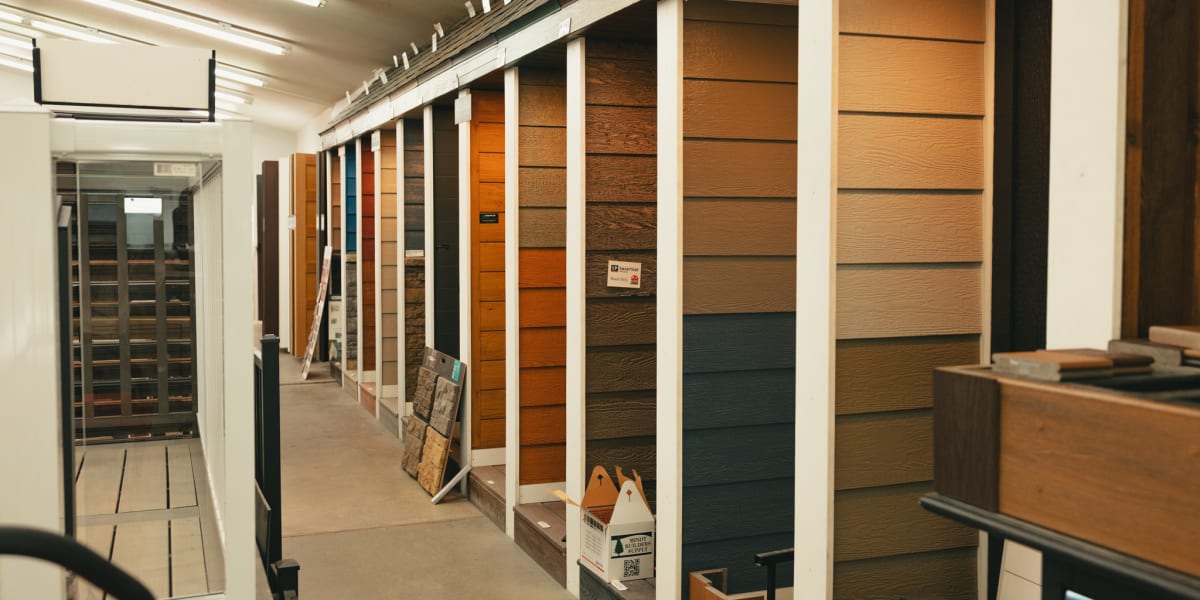
Unlike wood that ignites or vinyl with its low melting point, Allura’s non-combustible composition stops fire spread. The material resists damage from fire while maintaining its realistic wood grain appearance, solving the aesthetic-versus-safety trade-off that plagues many fire-resistant products.
Extreme Weather Durability
Montana’s freeze-thaw cycles destroy most siding within 15-20 years. Allura’s freeze-thaw tolerance and high impact resistance (ASTM tested) address this directly. The engineering for snow, ice, hail, and high winds means no warping, splitting, or shrinking through temperature swings that range from -40°F to 100°F.
The material is rot-resistant, termite-resistant, and mold-resistant — critical in valleys where spring snowmelt keeps walls damp for weeks. Contractors highlight its strength in resisting damage from weather, rot, insects, and fire for long-term performance.
| Specification | Value |
|---|---|
| Weight per board | 20.25 lbs (~2.41 lbs per sq ft) |
| Fire rating | Class A (1) Flame Spread |
| Weather resistance | Freeze-thaw tolerant |
| Impact resistance | High (ASTM tested) |
| Coverage per board | 7 sq ft (at 7 inch exposure) |

Installation Requirements & Weight Considerations
At 20.25 pounds per board and 2.41 pounds per square foot, this requires 2-person installation. That’s double the weight of engineered wood siding. Crews need to plan accordingly — no solo installers hauling these boards up ladders.
Installation demands precision: minimum 1-1/4 inch lap, 6-inch wide joint flashing required at all butt joints. Fasten at every framing stud with corrosion-resistant siding nails (hot-dip galvanized or stainless steel). Maintain 1/8 inch gap at trim/corners and 1/4 inch gap above flashing at windows/doors.
Primed boards must be painted within 180 days with high-quality acrylic latex topcoat — miss that window and warranty claims get complicated. Improper installation can affect performance, and exposure to excessive moisture may cause issues like paint peeling if not installed correctly.
30-Year Warranty vs. Wood Maintenance
The 30-year limited product warranty covers manufacturing defects and performance under normal residential use when installed per manufacturer guidelines. Compare that to cedar siding’s 5-year stain cycle and 15-20 year replacement timeline in Montana weather.
Being rot-resistant, termite-resistant, and mold-resistant eliminates the constant battle against moisture damage that defines wood siding maintenance here. It requires less frequent maintenance than wood while providing a realistic cedar appearance. The excellent return on investment and industry-leading warranties make it a popular choice among builders.
The math works out: higher upfront material and labor costs, but dramatically reduced maintenance over three decades. For contractors building in wildfire zones or dealing with insurance requirements, the fire rating alone justifies the premium. Add the freeze-thaw performance and impact resistance, and Allura delivers measurable advantages over both wood and vinyl in Montana’s demanding climate.

Frequently Asked Questions
Q: How much does Allura fiber-cement lap siding weigh compared to other sidings?
Allura’s 5/16” x 8¼” x 12’ Traditional Cedar lap siding weighs approximately 20.25 pounds per board, which equals about 2.41 pounds per square foot. This makes it significantly heavier than vinyl or engineered wood siding, requiring two-person installation for safe handling.
Q: What fire rating does Allura lap siding have for wildfire zones?
Allura lap siding carries a Class A (1) Flame Spread rating, making it non-combustible and suitable for Wildland-Urban Interface (WUI) areas. The product holds CalFire WUI Listing 8170-2180:0501, meeting California’s strictest wildfire standards that Montana insurers increasingly reference.
Q: What are the installation requirements for Allura fiber-cement siding?
Allura requires a minimum 1-1/4 inch lap between boards and 6-inch wide joint flashing at all butt joints. Boards must be fastened at every framing stud (typically 16 inches on center) using corrosion-resistant siding nails with hot-dip galvanized or stainless steel construction.
Q: How long is the warranty on Allura lap siding?
Allura provides a 30-year limited product warranty that covers manufacturing defects and performance under normal residential use when installed according to manufacturer guidelines. This warranty structure is comparable to other major fiber-cement brands like James Hardie.
Q: Does Allura siding need to be painted, and when?
Allura lap siding comes in both primed and pre-finished Spectrum color options. Primed boards must be painted within 180 days of installation using a high-quality acrylic latex topcoat to maintain warranty coverage.
Q: How does Allura perform in freeze-thaw conditions?
Allura fiber-cement siding is specifically engineered for extreme weather including snow, ice, hail, and high winds, with tested freeze-thaw tolerance. The material won’t warp, split, or shrink through temperature extremes and maintains dimensional stability in harsh climates.
Ready to Get Started?
Our siding specialists can help you find the right Allura products for your project.
More from Allura


Explore All Allura Products
We carry Allura across all 11 Montana and Idaho stores.