
GAF WeatherGuard encompasses two distinct product lines: Ruberoid torch-applied modified bitumen membranes for low-slope applications and peel-and-stick leak barriers for vulnerable roof areas. The torch membranes deliver APP-modified durability at under 2 pounds per square foot. The leak barriers split between mineral-surfaced WeatherWatch and synthetic StormGuard, each engineered for specific installation conditions.
Skip these products if you’re looking for single-ply TPO alternatives or basic felt paper. The WeatherGuard lineup targets contractors who need proven waterproofing performance where traditional materials fail — low-slope transitions, ice dam zones, and commercial roof details that see ponding water.

Ruberoid Torch Membrane Specifications
The standard torch granule membrane covers 100 square feet per roll, while the Torch Plus Granule FR variant provides 106.9 square feet in a 32’6” x 39.5” roll weighing approximately 104 pounds. At 175 mil (4.4mm) nominal thickness, these APP polymer-modified membranes feature heavy-duty polyester reinforcement.
| Specification | Standard Torch | Torch Plus FR | EnergyCap |
|---|---|---|---|
| Coverage | 100 sq ft | 106.9 sq ft | - |
| Thickness | - | 175 mil | - |
| Weight/Roll | - | ~104 lbs | - |
| Installed Weight | < 2 lbs/sq ft | - | < 3 lbs/sq ft |
| Fire Rating | - | Class A | Class A |
| Core Material | Non-woven polyester mat | Heavy-duty polyester | - |
Installation requires torch-applied heat welding with no hot asphalt or adhesive needed. Standard lap requirements call for 3-inch side laps and 6-inch end laps. GAF recommends Matrix primers and roof cements for optimal adhesion.
The lightweight design matters on Montana roofs already carrying 50-80 psf snow loads. At under 2-3 pounds per square foot installed, these membranes add minimal structural load compared to built-up roofing while the APP modification provides excellent weather resistance.
WeatherWatch vs StormGuard Leak Barriers
GAF WeatherWatch features a 73 mil thickness with mineral-finished, gritty surface backed by release film for easy installation. The fiberglass reinforcement resists buckling and wrinkling while the mineral surface enhances traction and protects under asphalt shingles, self-sealing around nails to prevent leaks.
StormGuard uses a synthetic surface with distinctive blue color that improves workability in hot weather by keeping the surface 20-30 degrees cooler than black membranes. The synthetic film surface won’t stick to installers’ boots or damage easily during application.
| Feature | WeatherWatch | StormGuard |
|---|---|---|
| Surface Type | Mineral/gritty | Synthetic film |
| Thickness | 73 mil | - |
| Reinforcement | Fiberglass | - |
| Color | Gray mineral | Blue |
| Temperature Benefit | - | 20-30°F cooler surface |
| Coverage | 200 sq ft (36” wide) | - |
| Weight/Roll | 87 lbs | - |
Both products meet ASTM D1970 ice dam protection standards. The choice comes down to installation conditions — WeatherWatch’s mineral surface provides traction on steep slopes while StormGuard’s cooler surface prevents sticking during Montana’s brief hot spells.

Fire Rating and Wind Uplift Performance
The fire ratings separate commercial-grade membranes from basic residential products. Both Torch Plus FR and EnergyCap variants achieve UL Class A and FMRC Class A fire ratings. More impressive: the FMRC Class 1-180 wind uplift resistance over concrete decks.
That 180 rating means these membranes survived 180 mph uplift forces in testing — critical for Montana’s chinook wind zones where gusts routinely hit 60-80 mph. The combination of fire resistance and wind performance opens commercial applications that single-ply membranes can’t touch without ballast or extensive mechanical attachment.

Cool Roof EnergyCap Applications
The EnergyCap variant features factory-applied bright white granules providing high solar reflectivity for energy cost reduction. At under 3 pounds per square foot for premium designs, it maintains the lightweight advantage while meeting Cool Roof Rating Council standards.
This matters more than contractors might think. Eastern Montana sees 84-86°F summer highs with intense UV at elevation. White granule surfaces can drop membrane temperatures by 50°F compared to black EPDM, extending membrane life and reducing thermal cycling that destroys sealants and flashings.
The CRRC listing also qualifies projects for utility rebates and LEED points — considerations that increasingly drive commercial roofing decisions even in secondary markets.
The Modified Bitumen Advantage
GAF positions these products against TPO single-ply systems, noting modified bitumen provides better redundancy and durability at competitive pricing. That’s contractor code for “multiple layers protect better than one membrane with welded seams.”
The APP modification delivers long-term stability while keeping installed costs below most single-ply systems. The polyester mat core resists splits and tears through pliability and elongation — crucial when Montana’s temperature swings stress every roofing component.
Applications span low-slope commercial and residential roofing, new construction, reroofing, flashing details, and repairs of existing BUR or modified bitumen systems. The torch-applied system works over concrete decks, approved insulation boards, and existing BUR with proper substrate preparation using Matrix primers.
FAQs
What makes Ruberoid membranes different from standard modified bitumen? The lightweight design at under 2 pounds per square foot installed weight combined with APP polymer modification provides weather resistance without adding excessive structural load. The non-woven polyester mat core delivers flexibility and tear resistance.
How do WeatherWatch and StormGuard leak barriers compare in hot weather installation? StormGuard’s blue synthetic surface stays 20-30 degrees cooler than black membranes during application. The synthetic film won’t stick to boots or damage easily. WeatherWatch uses a mineral surface that provides better traction but absorbs more heat.
What warranty coverage comes with GAF WeatherGuard products? Standard system guarantees run up to 15 years with select system constructions available with 20-year coverage, subject to GAF’s warranty terms and professional installation. When used as part of the GAF Lifetime Roofing System, products qualify for Lifetime Limited Warranty coverage.
Do these products meet commercial fire rating requirements? Yes — both Torch Plus FR and EnergyCap versions achieve UL Class A and FMRC Class A fire ratings plus FMRC Class 1-180 wind uplift resistance over concrete decks. These ratings satisfy most commercial building code requirements.
Ready to Get Started?
Our roofing specialists can help you find the right GAF products for your project.
More from GAF


Explore All GAF Products
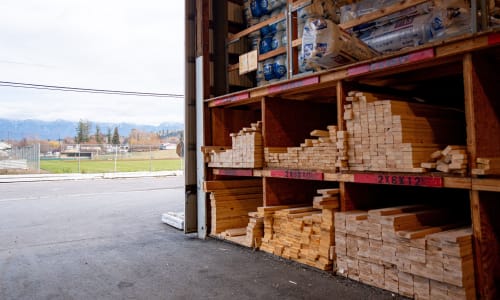
We carry GAF across all 11 Montana and Idaho stores.
