

Worth it for contractors who need same-day multi-coat applications. The 2-hour recoat time saves entire days on interior trim work, and the ultra-flat sheen option nails the modern matte trend without yellowing. At 4.2 to 4.6 stars across multiple retailers, it delivers what Minwax promises.
Skip it if you’re brushing high-visibility surfaces. Fine Woodworking notes its brushing performance is only fair, and user discussions mention its tendency to show brush marks if not applied carefully. For sprayed cabinets or low-traffic furniture, this finish shines. For hand-brushed dining tables that’ll see daily abuse, look elsewhere.
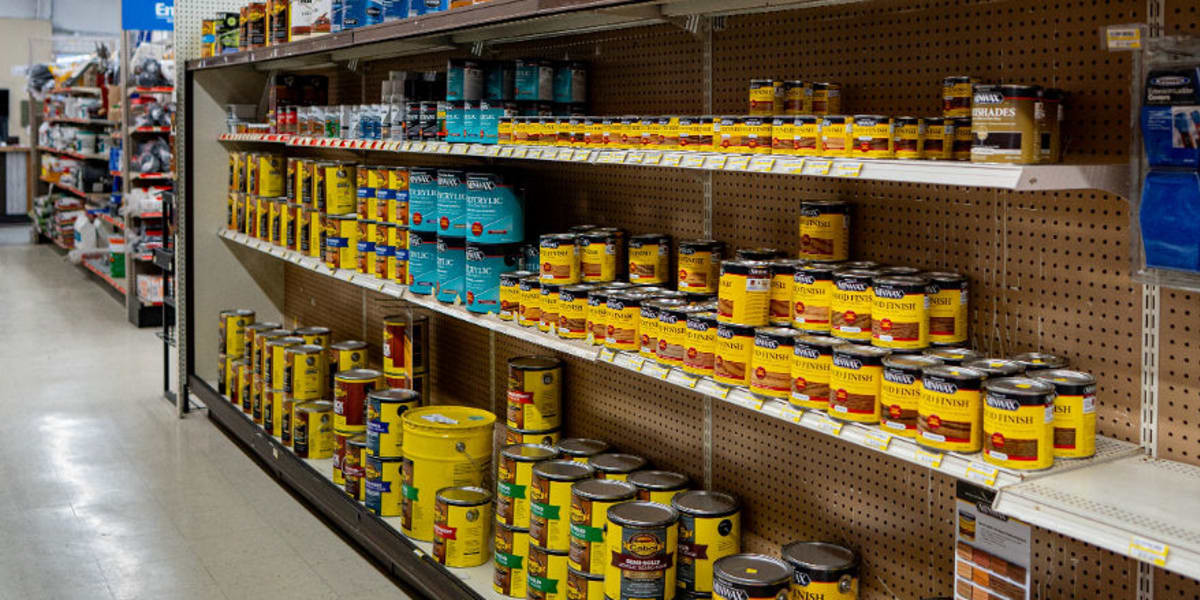
Why Contractors Choose This Water-Based Finish
The water-based formula changes the game for occupied homes during Montana’s long winters. No more opening windows in January for ventilation. Low odor means you can topcoat kitchen cabinets while the family’s eating dinner in the next room.
The real advantage shows in the schedule. Touch dry in 3 hours and recoatable in 2 hours — that’s three coats in a single workday if you start early. Full cure in 24 hours gets cabinets back in service fast. Compare that to oil-based poly that needs overnight drying between coats, and you understand why busy contractors stock this.
According to Fine Woodworking, it offers good spraying and sanding properties. That matters when you’re dealing with large cabinet jobs or built-in shelving. The ability to sand between coats without gumming up paper speeds the whole process.
| Specification | Value |
|---|---|
| Base material | Water-based |
| Sheen | Flat (Ultra Flat / Clear Flat) |
| Touch dry | 3 hours |
| Recoat time | 2 hours |
| Full cure | 24 hours |
| Coverage | 125 square feet per quart |
| Container size | 1 Quart (32 fl oz) |
| Clean up | Soap and water |
Getting the Ultra-Flat Finish Right
The ultra-flat sheen fills a real gap in the market. Not satin, not eggshell — truly flat. This matters for modern farmhouse trim, shiplap walls, and anywhere you want wood texture without shine. The crystal clear non-yellowing formula keeps white-painted surfaces actually white, not amber-tinted like oil poly tends to do after a year.
Application method matters more with flat finishes. Recommended application of 2 to 3 coats using a synthetic bristle brush. Don’t grab your natural bristle brush — water-based finishes make them go limp. A quality synthetic brush maintains its shape and helps minimize those brush marks that users mention in discussions.
Works on bare wood, stained surfaces, painted surfaces — even wallpaper for topcoat applications. That wallpaper compatibility solves a real problem in older homes where removing wallpaper would damage plaster walls. A couple coats of Polycrylic seals it for cleaning without the nightmare of stripping.
Compatible with oil-based stains, water-based stains, and paints. No guessing games about what’s underneath. The formula bonds to pretty much any properly prepared interior surface. Just make sure that oil-based stain is fully cured — rushing this step causes adhesion failures.
Where This Finish Falls Short
Durability concerns pop up in reviews. Some weaknesses noted in user discussions include its limited durability in high-traffic or heavily used surfaces. Makes sense — water-based finishes generally can’t match oil-based for absolute toughness. For a kitchen table that sees homework, craft projects, and hot coffee mugs daily, you might want something tougher.
Some users note that its durability may be less than oil-based finishes, especially in high-traffic or heavily exposed areas, and it can be prone to scratching if not applied carefully. Translation: this isn’t bar-top tough. It’s living room furniture tough. Know the difference before you promise a bulletproof finish to customers.
The fair brushing performance noted by Fine Woodworking shows up worst on large flat surfaces. Door panels, table tops, wide trim — anywhere brush marks telegraph through the flat sheen. For these applications, either spray it or consider the satin version that hides application flaws better.

Frequently Asked Questions
Can Polycrylic be used over oil-based stain? Yes, it’s compatible with oil-based stains. The key is patience — that oil stain needs to be completely cured, not just dry to touch. In Montana’s low humidity, give oil stain at least 72 hours before topcoating, longer if the shop’s cold.
How many coats are needed for cabinets? The manufacturer recommends 2 to 3 coats. For cabinets that’ll see daily use, lean toward three coats. The 2-hour recoat time means you can get all three coats on in a single day if you hustle.
What’s the actual coverage per quart? Approximately 125 square feet per quart. That’s manufacturer math — real world, figure 100 square feet to account for absorption on raw wood and overlap at edges. Always better to have leftover than run out mid-project.
Does the flat finish show fingerprints? Flat finishes generally show fewer fingerprints than glossy ones, but they can show oils from hands as dark spots. The durable protection helps, but high-touch areas like cabinet doors around handles might show wear patterns over time.
Can this be applied with a roller? Application methods include brush, roller, or spray. For large flat surfaces, a high-quality foam roller can work, but watch for bubbles. The ultra-fast-drying formula means you need to work quickly to maintain a wet edge.
Ready to Get Started?
Our paint & finish specialists can help you find the right Minwax products for your project.
More from Minwax


Explore All Minwax Products
We carry Minwax across all 11 Montana and Idaho stores.


