
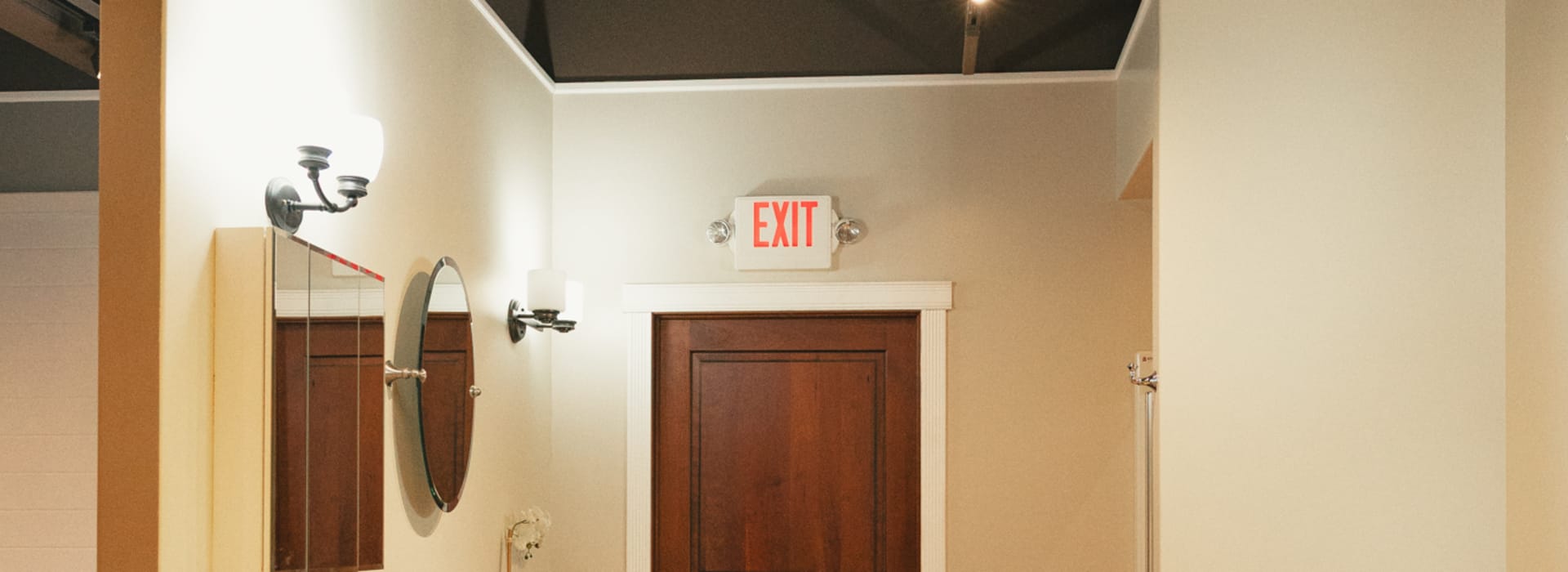
The Masonite Storm Guard® product line features impact-rated exterior doors designed for coastal areas, meeting strict building codes for high-velocity hurricane zones (HVHZ) and wind-borne debris regions. Masonite Storm Guard® doors are engineered to provide homeowners in hurricane-prone areas with peace of mind, offering compliance with regional wind and debris standards, particularly in Florida’s HVHZ zones.
For Montana contractors, the impact resistance technology offers unexpected benefits — security for remote properties and superior thermal performance that handles temperature extremes better than standard entry doors.

CoreShield Technology and Material Options
Available in fiberglass and steel options, these doors incorporate CoreShield™ Technology—an extra protective layer ensuring durability against severe weather conditions. The fiberglass doors come in smooth and textured finishes, combining aesthetic appeal with resilience.
The CoreShield layer provides protection specifically engineered for Storm Guard fiberglass doors. This isn’t just marketing fluff — it’s a measurable enhancement over standard door construction that shows up in impact testing.
The MPDS offers enhanced durability with rot-resistant frames, a 4-Point Performance Seal for leak prevention, and optional impact resistance capable of withstanding up to 480 joules of force. That 480-joule rating translates to real-world protection against wind-borne debris in hurricane conditions — or in Montana terms, serious security against forced entry attempts.
Warm-Edge Spacer Performance
The Storm Guard’s thermal performance separates it from basic impact doors. Temperature Advantage vs Aluminum Spacer: +14.4°F/8.0°C warmer at edge of glass
| Specification | Storm Guard Warm-Edge | Standard Aluminum | Source |
|---|---|---|---|
| Edge of Glass Temperature | 38.1°F / 3.39°C | 23.7°F / -4.61°C | (tested) |
| Condensation Resistance | 43.9 | 19.6 | (tested) |
| Effective Thermal Conductivity | 0.182 | 1.623 | (tested) |
All-foam design, no-metal composite-laminating technology eliminates the thermal bridge that kills most door performance at the glass edge. In Montana’s -20°F winters, that 14.4°F temperature advantage at the glass edge prevents condensation, frost formation, and the seal failures that plague standard doors.
Testing conditions: Outside Temperature: 0°F, Inside Temperature: 70°F, simulated using WINDOW 7.4 / THERM 7.4 as per NFRC 200-2014.

The Verdict
Storm Guard doors deliver genuine hurricane protection that Montana doesn’t need — but the engineering that achieves that protection creates measurable benefits for cold-climate performance. The warm-edge spacer technology alone justifies consideration for any project where condensation resistance matters.
It is compatible with most hardware, including electronic deadbolts, and includes a 10-year limited full replacement warranty. The multipoint locking compatibility matters for contractors who need flexibility in hardware selection.
These aren’t budget doors. They’re engineered solutions for extreme conditions, whether that’s Florida hurricanes or Montana winters. The impact rating provides security benefits, while the thermal performance addresses the real enemy in Montana — air infiltration and edge-of-glass condensation.

FAQ
What hurricane standards does Storm Guard meet? Storm Guard doors meet strict building codes for high-velocity hurricane zones (HVHZ) and wind-borne debris regions, particularly in Florida’s HVHZ zones.
What’s the actual impact resistance rating? The system offers optional impact resistance capable of withstanding up to 480 joules of force. That’s tested resistance to projectile impacts simulating hurricane debris.
How much warmer is the glass edge compared to standard doors? The warm-edge spacer system delivers glass edges that are +14.4°F/8.0°C warmer than aluminum spacer systems. This dramatically reduces condensation in cold climates.
What materials are Storm Guard doors available in? Available in fiberglass and steel options. The fiberglass doors come in smooth and textured finishes.
What warranty coverage comes with Storm Guard? Storm Guard doors include a 10-year limited full replacement warranty.
Ready to Get Started?
Our doors & millwork specialists can help you find the right Masonite products for your project.
More from Masonite



Explore All Masonite Products
We carry Masonite across all 11 Montana and Idaho stores.


