
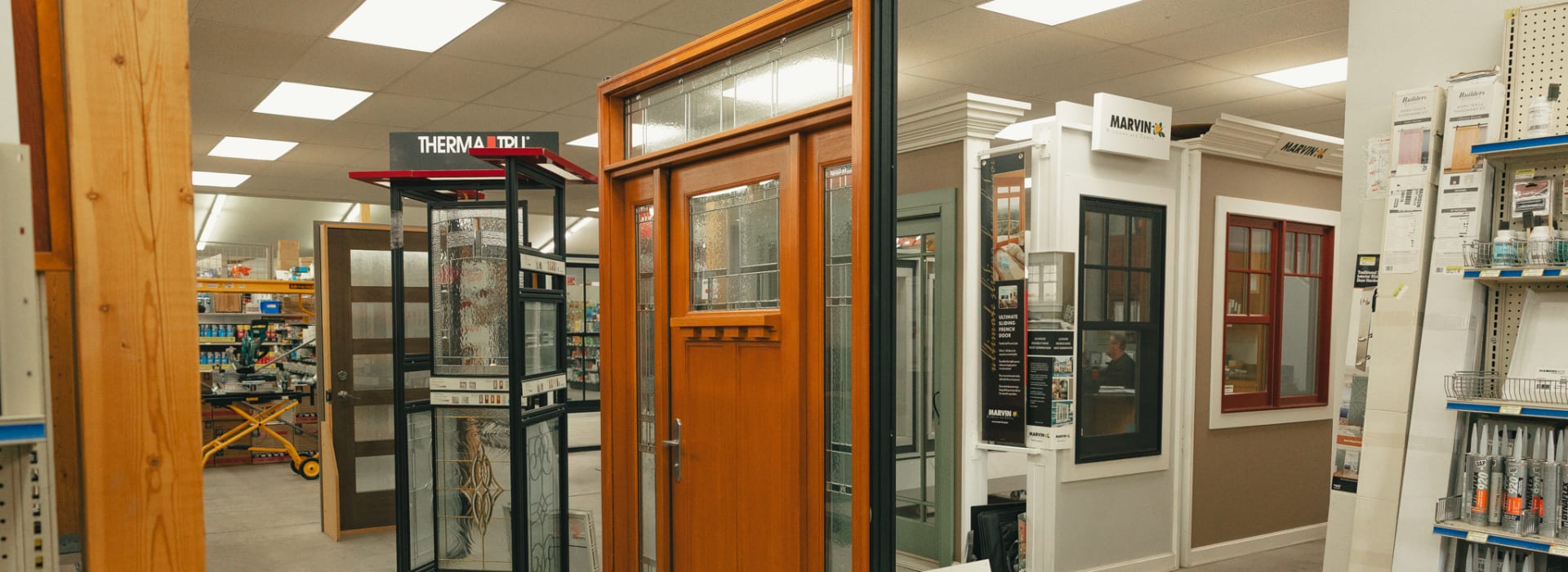
Black Label’s premium hardwood millwork solves the fundamental problem with standard exterior wood products in Montana — they don’t last. With Ipe delivering a 70+ year lifespan when oiled on four sides and achieving Class A fire ratings equivalent to steel for rooftop finishes, this isn’t decorative trim. It’s structural-grade material engineered for extreme conditions.
The standout spec is Ipe’s 15,620 N (3,510 lbf) Janka hardness — that’s 8 times harder than California Redwood. For Montana’s freeze-thaw cycles, wildfire zones, and UV exposure at elevation, those numbers translate to millwork that performs closer to engineered materials than traditional wood products.
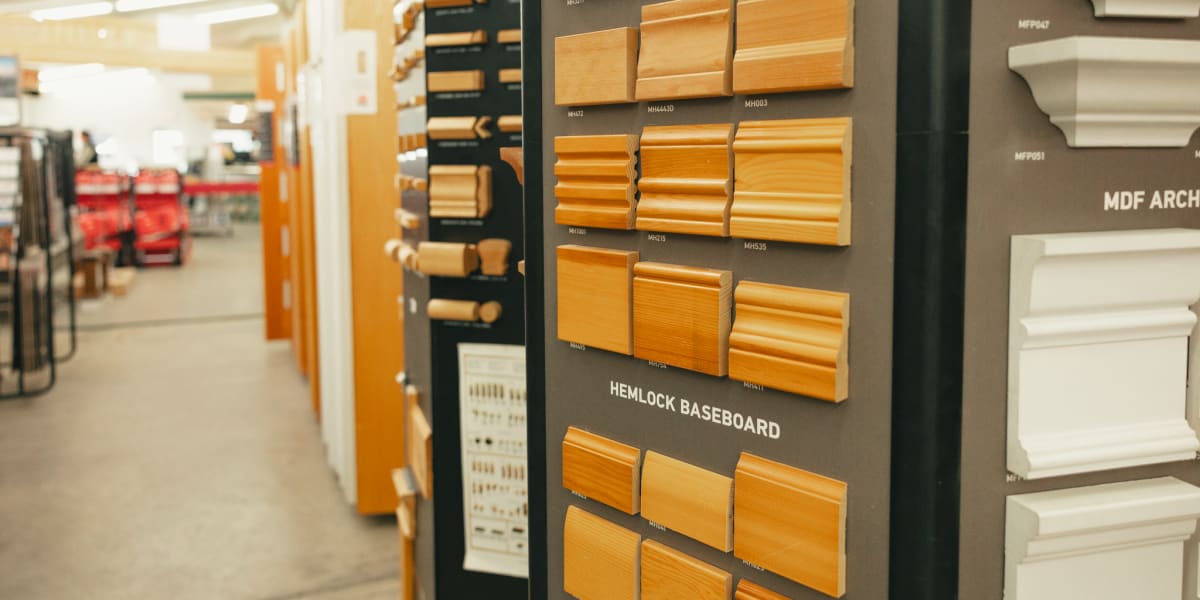
Performance Specifications That Matter
Black Label offers nine species: Ipe, Garapa, Cumaru, Bulletwood, Tigerwood, Jatoba, Kebony, Thermo Ash, and Thermo Pine. The real conversation starts with their physical properties.
| Specification | Ipe Performance | Source |
|---|---|---|
| Janka Hardness | 15,620 N (3,510 lbf) | (manufacturer) |
| Weight | 69 lbs/ft³ | (manufacturer) |
| Bending Strength | 10,309 psi dry | (manufacturer) |
| Modulus of Elasticity | 2,140,000 psi dry | (manufacturer) |
| Fire Rating | Class A (ASTM E84) | (tested) |
| Movement | 6-inch air-dried board moves approx 1/16-inch | (manufacturer) |
That bending strength of 10,309 psi puts Ipe about 3 times stronger than Teak. Bulletwood actually tests harder than Ipe, though specific numbers weren’t provided.
The termite resistance comes with the highest rating from the U.S. Naval Research Laboratory — meaningful when the Navy’s testing wood for dock and pier applications in saltwater environments.
Lifespan Categories and Installation Reality
Black Label breaks their species into clear lifespan categories: Ipe and Cumaru deliver 70+ years when oiled on four sides, while Tigerwood and Jatoba fall into the 25+ year category. Without treatment, even Ipe drops to 40+ years.
Dense hardwoods like Tigerwood, Jatoba, and Bulletwood require pre-drilling. Skip that step and you’ll split boards. The millwork works with standard hidden fastener systems using their grooved board profiles, and Pro Plug systems provide matching wood plugs for face-screwed applications.
For Ipe specifically, filling is recommended to obtain the best finish. The density that makes it last also means the grain stays open without treatment.

Available Profiles and Dimensions
Standard dimensions run 1x4 through 1x8, plus 5/4 material in 4, 6, and 8-inch widths. Lumber increments scale from 2x4 up to 6x6, with commercial decking available in 20-foot lengths.
Profile options include S4SE4E, S4S, E4E, grooved for hidden fasteners, shiplap, T&G center-match, and rainscreen. That rainscreen profile matters for Montana’s moisture management requirements.
All material arrives kiln-dried to 12-14% moisture content — critical for dimensional stability in Montana’s low-humidity environment.

Fire Performance for WUI Construction
The Class A fire rating (ASTM E84, CAN/ULC S107, ANSI/UL 790, NFPA Class A) puts these hardwoods in the same category as steel for rooftop finishes. Black Label also meets CFM-7A-4 standards for CalFire Wildlife Urban Interface requirements.
For Montana’s extreme wildfire zones, that certification stack eliminates the compromise between natural materials and fire safety.
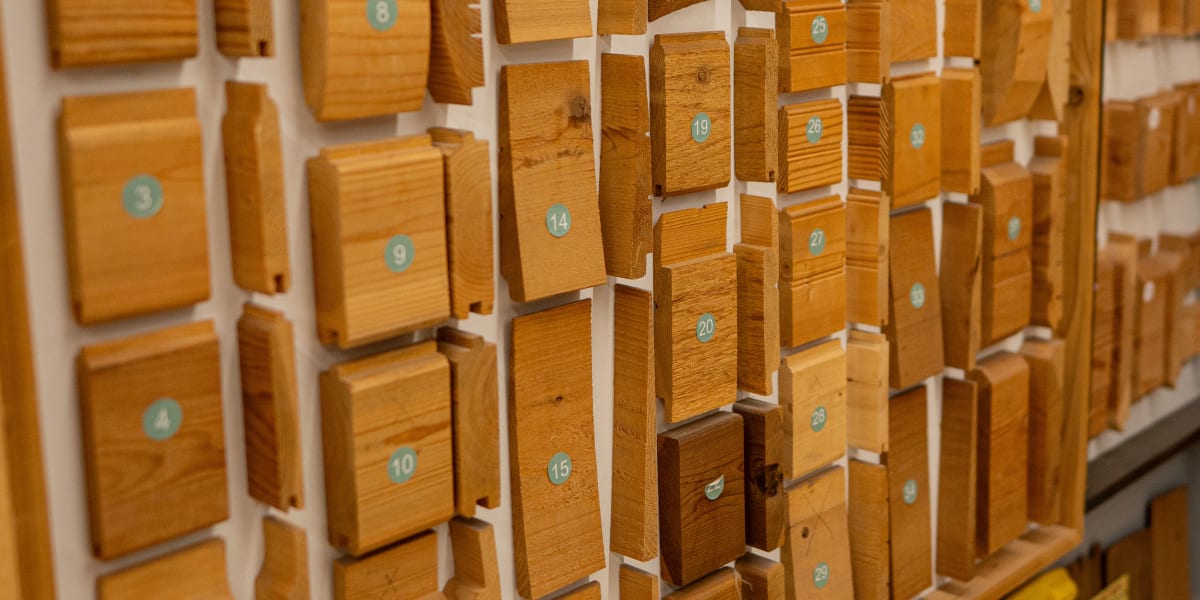
Real-World Applications
Black Label positions their millwork across three main categories: residential/commercial (decking, cladding, soffits, rainscreen systems, interior paneling), marine/industrial (boardwalks, piers, bridges, fenders, sheet piling, crane mats), and architectural (custom molding, CNC millwork, handrails, balusters, sunshades, pergolas).
Those crane mat and sheet piling applications tell you something about the structural capacity. This isn’t trim board trying to be structural — it’s structural material that happens to look good.
The Bottom Line
Black Label millwork costs more because it delivers 70+ year performance in applications where standard materials fail in 10-15 years. The 15-year warranty on deck tiles against rot-induced mechanical failure and 15-year ICC-ES durability rating for in-ground contact back up the lifespan claims with warranty coverage.
For contractors building in wildfire zones, the Class A rating changes the conversation. For anyone tired of replacing rotted trim and failed millwork, the math on 70-year materials starts making sense fast.
FAQ
What makes Black Label millwork different from standard lumber? The extreme hardness ratings — Ipe at 15,620 N Janka hardness is 8 times harder than California Redwood — combined with Class A fire ratings and 70+ year lifespans when properly treated. Standard lumber can’t touch these performance specs.
Do all species require pre-drilling? Pre-drilling is recommended specifically for the dense hardwoods: Tigerwood, Jatoba, and Bulletwood. The softer species in the lineup may not require it, though pre-drilling prevents splitting in any dense wood application.
How much movement should contractors expect? Black Label specs indicate a 6-inch air-dried board moves approximately 1/16-inch. That’s minimal movement for exterior applications, especially compared to standard softwoods.
What fastening systems work with Black Label millwork? The millwork is compatible with hidden fastener systems using grooved board profiles, Pro Plug systems for face-screwing applications, and Elevate pedestal systems for deck tiles. Standard decking clips and cladding fasteners also work.
Is the 70-year lifespan realistic for Montana conditions? The 70+ year lifespan applies specifically to Ipe and Cumaru when oiled on all four sides before installation. Without treatment, lifespan drops to 40+ years. Montana’s dry climate actually helps preserve these dense hardwoods compared to humid environments.
Ready to Get Started?
Our doors & millwork specialists can help you find the right Black Label products for your project.
More from Black Label


Explore All Black Label Products
We carry Black Label across all 11 Montana and Idaho stores.


