
RailFX won the 2024 Pro Tool Innovation Award for Accessories and Fasteners for its versatility and user-friendly design. That’s not marketing fluff — the FlexFX system earned industry recognition for solving the most frustrating part of cable railing installation: the need for expensive swaging tools.
FlexFX requires no swaging tools or professional equipment, unlike traditional swag-on systems that require a hydraulic swage. Instead, the locking wedge system lets contractors push cables into place and move on. For Montana builders working on lakefront decks or mountain view properties where cable railing preserves sightlines, this technology changes the economics of installation.

Push-Lock Fittings vs Traditional Swaging
The difference between FlexFX and traditional cable systems comes down to one word: equipment. Traditional swaged fittings require a hydraulic swaging tool. Most contractors don’t own these tools because cable railing represents a fraction of their business.
Swageless Push-Lock® (locking wedge system) eliminates this barrier. The fitting grabs the cable with internal wedges when pushed — no crimping, no specialized tools. Push-Lock fittings offer a cleaner look with less exposed threading and hardware on the face of the post.
The kit requires basic tools most contractors already own: FlexFX Lag Driver, 3” Combo Wrenches, Drill Bits (5/32”, 7/32”, 1/4”), Push-Lock Release Key. That release key matters — it’s the only way to adjust or remove cables after installation.
Installation Specifications and Code Compliance
Getting the measurements right matters more than the fitting technology. Use a drilling template for 3-1/8” hole spacing to meet International Building Code (IBC) and International Residential Code (IRC) requirements. That 3-1/8” intervals spacing Complies with the 4-inch sphere rule — the universal railing safety standard.
| Component | Drill Bit Size | Details |
|---|---|---|
| End posts (7/32” lags) | 7/32 inch bit, minimum 1-1/2 inch depth | |
| Intermediate posts (1/8” cable) | 5/32 inch bit | |
| Intermediate posts (3/16” cable) | 7/32 inch bit |
The system works with Wood (4x4, 6x6), Composite sleeved posts (requires XL fittings), Metal posts. Most Montana deck projects use 6x6 posts for stability, especially on elevated decks that catch wind. Calculate fittings based on post count (min 1 tensioner per run). Each cable run needs at least one tensioner — typically installed at one end post.
Marine-Grade Performance in Mountain Environments
Type 316 Marine-Grade Stainless Steel (Weather-resistant) construction puts FlexFX in a different class than budget cable systems using 304 stainless. Type 316 contains molybdenum, which resists chloride corrosion — critical for Saltwater/coastal areas but also valuable in Montana where road salt and freeze-thaw cycles attack inferior metals.
Limited Lifetime Warranty on aluminum posts, rails, cable infill, and fittings. The labor warranty tapers over four years: 100% Year 1, 75% Year 2, 50% Year 3, 25% Year 4. Applies for the lifetime of the purchaser or as long as they own the structure.
Suitable for all climates including marine environments (Type 316 SS). While Montana isn’t coastal, the moisture resistance matters during spring snowmelt when decks stay wet for weeks. Standard 304 stainless shows rust staining in these conditions. Type 316 doesn’t.

The Verdict
FlexFX delivers what it promises: cable railing installation without specialized tools. Contractors highlight the system as the ‘world’s easiest cable railing solution’ with significant time savings on site. The Push-Lock technology works reliably, though users note that precise drilling is crucial for long-term tension stability.
Montana contractors benefit from the clear advantages: no tool rental fees and no scheduling around equipment availability. The Type 316 stainless handles weather extremes better than standard cable systems. FlexFX fittings are engineered to be used only with RailFX FlexFX cable — buyers are committing to their ecosystem, but it’s an ecosystem that actually simplifies the job.
The 2024 Pro Tool Innovation Award wasn’t charity. This system earned recognition by solving real jobsite problems. For builders who want cable railing’s clean look without the tool investment, FlexFX makes sense.
Frequently Asked Questions
Q: Can FlexFX fittings be used with cable from other manufacturers?
No. FlexFX fittings are engineered to be used only with RailFX FlexFX cable. The Push-Lock mechanism relies on precise cable diameter tolerances. Using non-FlexFX cable voids the warranty and risks fitting failure.
Q: What’s the actual difference between Type 304 and Type 316 stainless steel?
Type 316 contains 2-3% molybdenum, which Type 304 lacks. This addition dramatically improves chloride resistance. In practical terms, Type 304 can develop rust staining in wet environments or where salt exposure occurs. Type 316 Marine-Grade Stainless Steel resists this corrosion, making it suitable for Saltwater/coastal areas and high-moisture applications.
Q: How many cable runs require a tensioner on both ends?
At least one tensioner per cable run is required. For runs under 50 feet, one tensioner typically suffices. Longer runs or applications with significant temperature swings benefit from tensioners at both ends for easier adjustment.
Q: Will the Push-Lock system work with composite post sleeves?
Yes, but different fittings are needed. Composite sleeved posts (requires XL fittings) accommodate the thicker wall dimension of sleeve systems. Standard fittings won’t provide adequate thread engagement through composite sleeves.
Q: How should cables be removed after they’re pushed into the fitting?
The Push-Lock Release Key is required. This tool disengages the internal wedges, allowing cable removal. Don’t attempt removal without this key — it will damage the fitting or cable.
Ready to Get Started?
Our decking & railing specialists can help you find the right RailFX products for your project.
More from RailFX


Explore All RailFX Products
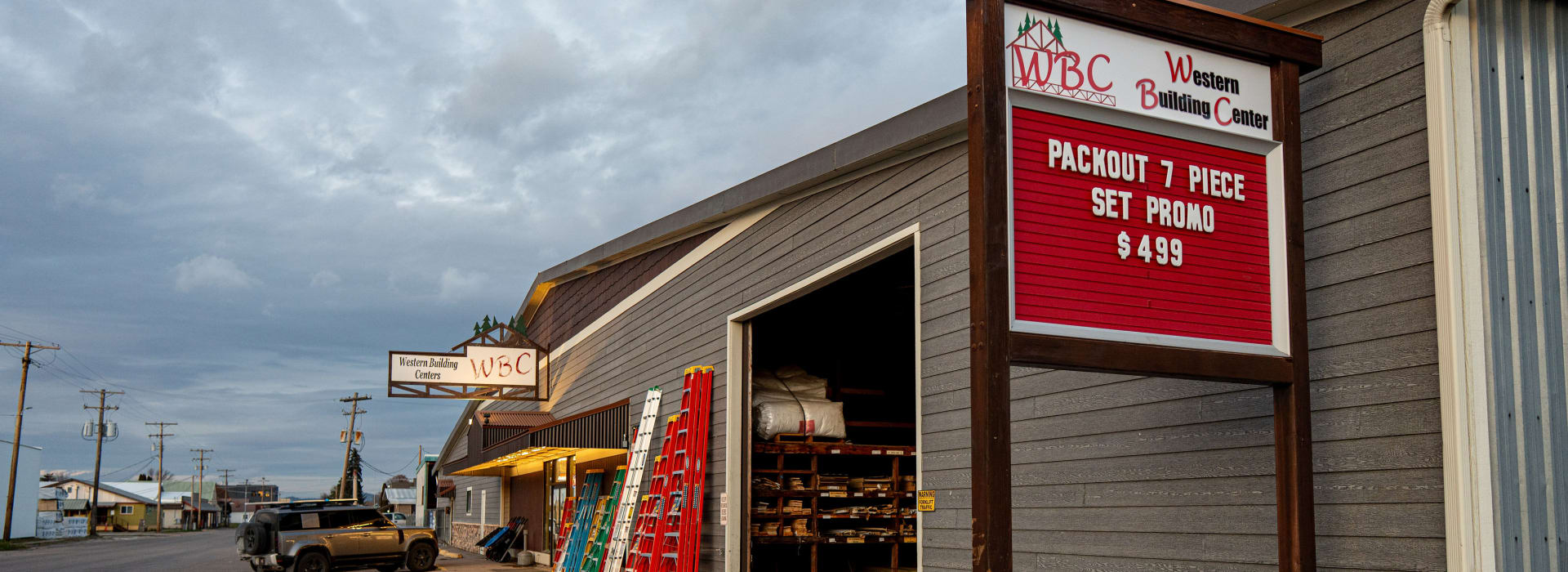
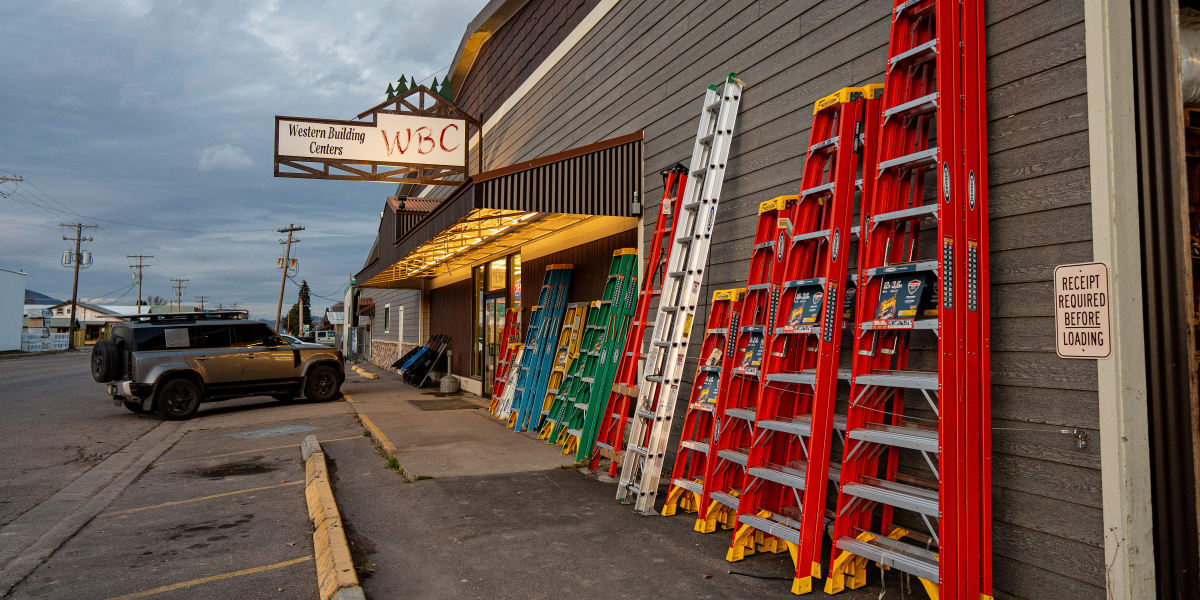
We carry RailFX across all 11 Montana and Idaho stores.
