

This professional-grade elastomeric caulk offers exceptional cold-weather application (down to 0°F) and ±50% joint movement capability, making it ideal for Montana’s extreme temperature swings. The formula delivers where it counts — permanently flexible with zero shrinkage and UV-resistant to handle high-altitude sun exposure.
For contractors working through Montana’s short building season, the 0°F (-18°C) application temperature means exterior sealing work can continue when other caulks have packed it in for winter. That matters when you’re racing to close in a structure before the freeze.

Extreme Weather Performance
The numbers tell the real story. Service temperature range runs -75°F to 212°F — that covers everything from Montana’s coldest arctic outbreaks to blistering summer heat on south-facing walls. Freeze/thaw stable formula won’t break down from the constant cycling that destroys lesser sealants.
UV-resistant properties matter at elevation where the sun hits harder. Standard caulks chalk and crack after a few seasons of Montana sun. This formula maintains flexibility and adhesion year after year.
The ± 50% joint movement capability handles the expansion and contraction that comes with 100-degree temperature swings. When lumber shrinks in winter and swells in summer, this caulk moves with it instead of tearing loose.
Application Versatility
Adheres to damp surfaces — crucial when morning dew or unexpected rain hits mid-job. Works on wood, vinyl, masonry, PVC, fiber-cement without primer on most substrates. That versatility means one tube handles multiple materials on the same job.
Paintable in 1 hour with water-based paint speeds up finishing work. No waiting overnight to match trim colors. The maximum gap fill up to 1 inch wide handles real-world construction gaps, not just hairline cracks.
| Specification | Value |
|---|---|
| Type | Elastomeric superior polymer |
| VOC Content | < 50 g/L (< 2%) |
| Solids | 100% |
| Joint Movement | ± 50% |
| Application Temperature | 0°F (-18°C) and above |
| Service Temperature | -75°F to 212°F |
| Maximum Gap | Up to 1 inch wide |

Coverage and Installation
Coverage calculations help estimate material needs:
- 1/8” bead: 116 ft coverage
- 1/4” bead: 29 ft coverage
- 3/8” bead: 13 ft coverage
- 1/2” bead: 7 ft coverage
Installation stays straightforward. Ensure substrates are clean, dry, and free of contaminants. Cut nozzle at a 1/4-inch to 3/8-inch slant for desired bead size. Puncture inner foil seal before use. Apply using a professional caulking gun, forming a continuous bead. No tooling is required; avoid smearing or using soaps/oils on the bead.
Cleanup: Use acetone or isopropyl alcohol for uncured material; scrape/cut away cured material. No special solvents needed for most cleanup situations.
Easier to extrude in cold weather (down to 0°F) and does not require a primer for most substrates compared to polyurethane alternatives. Superior flexibility (± 50% joint movement) and zero shrinkage compared to many solvent-based tripolymers.
Frequently Asked Questions
What surfaces will this caulk stick to? Works on wood, vinyl siding, masonry, PVC, fiber-cement, glass, fiberglass, and most common building materials. Not suitable for continuous submersion or below waterline use, Kynar™ coated materials, or polycarbonate.
Can this be painted over? Paintable in 1 hour with water-based acrylic/latex paint. That’s faster than most elastomeric caulks which require 24-48 hour cure times before painting.
What certifications does this product carry? ASTM C920, Type S, Grade NS, Class 50, Use T, NT, M, G, A; Federal Specification TT-S-00230C Type II Class A; CAN/CGSB-19-13-M87 Classification MCG-2-25-A-N; AAMA 802.3-16, 803.3-16, 808.3-16, 714-19 (white & colors); LEED v4.1 Certified (white & colors); USDA compliant (white & colors); California Dept. of Public Health (CDPH) Standard Method v1.2-2017.
How does it compare to silicone caulks? Paintable in 1 hour (most silicones are not), offers better adhesion to common building materials, and is UV-resistant without the typical silicone odor. Silicone’s main advantage is chemical resistance, which rarely matters for typical exterior sealing.
What’s the shelf life? 24 months (dry, ≤ 75°F) when stored properly. Buy fresh stock and rotate inventory.
Ready to Get Started?
Our building materials specialists can help you find the right Titebond products for your project.
More from Titebond

Explore All Titebond Products
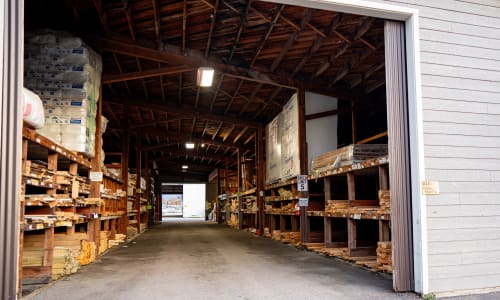
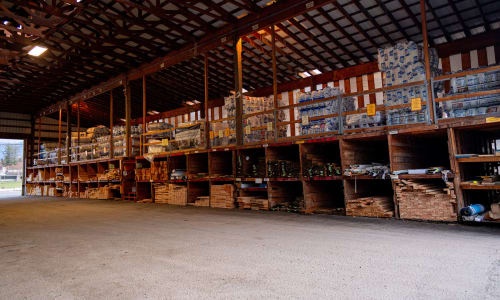
We carry Titebond across all 11 Montana and Idaho stores.


