
Titebond WeatherMaster is an advanced polymer caulk engineered to work in temperatures down to 0°F and maintain flexibility from -75°F to 212°F — performance specs that matter when Montana throws a 60-degree temperature swing at your jobsite in 24 hours. This isn’t another “all-weather” caulk that freezes solid in February. The 100% solids formula contains less than 2% VOC, meaning contractors get maximum material with minimal shrinkage.
For Montana contractors dealing with freeze-thaw cycles that destroy standard caulks, the ±50% joint movement capability keeps seals intact as materials expand and contract. The caulk fills gaps up to 1 inch wide, handling the oversized gaps that develop when siding moves with the seasons.

Performance Specifications
The coverage math is straightforward: 29 feet per cartridge at a standard 1/4-inch bead. That’s the real-world number contractors need for estimating jobs.
| Specification | Value |
|---|---|
| Application Temperature | Above 0°F (-18°C) |
| Service Temperature Range | -75°F to 212°F (-59°C to 100°C) |
| Joint Movement | ±50% |
| Solids Content | 100% |
| VOC Content | < 50 g/L (< 2%) |
| Tooling Time | 10-15 minutes (1/4” bead) |
| Paint Ready | 1 hour (acrylic/latex paint) |
| Shelf Life | 24 months at or below 75°F |
The caulk meets ASTM C920 Type S Grade NS Class 50 standards — that Class 50 rating means it handles extreme movement without failing. Additional certifications include Federal Specification TT-S-00230C Type II Class A and multiple AAMA standards (802.3-16, 803.3-16, 808.3-16, 714-19).
Material Compatibility and Real-World Applications
WeatherMaster bonds to wood, vinyl, PVC, glass, fiberglass, masonry, metal (including Kynar coated), fiber-cement, and all foam types. That versatility means contractors stock one caulk for multiple substrates instead of juggling specialty products.
The black color matches LP Expertfinish Abyss Black and Andersen Black Paintable finishes — details that matter when builders want invisible seams on dark siding. Primary applications include windows, doors, exterior trim, siding, gutters, vents, and shutters.
One critical limitation: DO NOT TOOL – DO NOT SMEAR. This caulk self-levels and requires a different technique than traditional products. Once applied, don’t wipe with solvents. Contractors accustomed to tooling every bead need to adjust their approach.
The product isn’t designed for continuous submersion or use below the waterline, and requires a protective coating when used with copper to prevent oxidation. Contact with asphalt or butyl may cause discoloration, though performance remains unaffected.

The Bottom Line
At 0°F application temperature, this caulk works when others won’t even flow from the tube. The -75°F service rating handles Montana’s coldest recorded temperatures with room to spare. Contractors report ease of application even in cold weather, excellent color matching for dark sidings, durable watertight seals, and fast drying times.
The price runs higher than standard caulks, but for exterior work where callbacks cost more than materials, the math favors spending extra upfront. Titebond claims it outperforms silicones, tripolymers, and urethanes — bold words backed by certifications that matter.
For Montana contractors who’ve watched standard caulks fail after one winter, WeatherMaster delivers measurable cold-weather performance. The no-tooling requirement takes adjustment, but the payoff is joints that move with the building instead of cracking apart.

Frequently Asked Questions
Q: Can this caulk really be applied at 0°F?
Yes, the application temperature specification is above 0°F (-18°C). The advanced polymer formula remains workable at temperatures where standard caulks turn solid. Contractors report successful cold-weather applications, though the caulk flows easier when stored at room temperature before use.
Q: How long before I can paint over it?
WeatherMaster becomes paintable in just 1 hour with acrylic or latex paint. For some paint types, a shellac-based primer is recommended. This quick paint window lets crews move through exterior work without waiting overnight.
Q: What’s the actual coverage per tube?
At a standard 1/4-inch bead: 29 linear feet. For a 1/8-inch bead: 116 feet. For larger 3/8-inch beads: 13 feet. For 1/2-inch beads: 7 feet. Most window and door applications use the 1/4-inch size.
Q: Can I use this on metal roofing?
WeatherMaster adheres to metal, including Kynar coated surfaces. However, for Kynar coated materials specifically, Titebond recommends using their WeatherMaster Metal Roof Sealant variant instead of the standard formula.
Q: What happens if it touches asphalt roofing?
Contact with asphalt or butyl materials may cause discoloration, but performance remains unaffected. The seal stays intact — it just might not match the original color where materials meet.
Ready to Get Started?
Our building materials specialists can help you find the right Titebond products for your project.
More from Titebond

Explore All Titebond Products
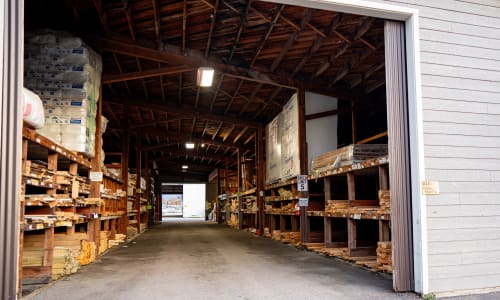
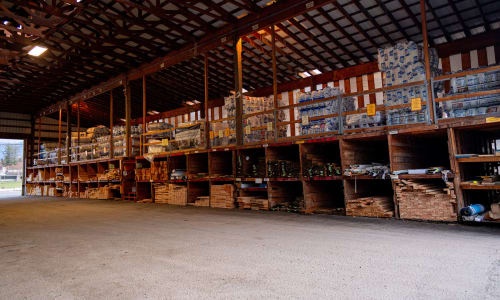
We carry Titebond across all 11 Montana and Idaho stores.


