

Titebond Subfloor Adhesive extrudes smoothly from 0°F to 100°F — that single spec matters more than any marketing claim. Montana contractors know the reality of framing through winter, where most adhesives turn to sludge below freezing. This professional-grade formula keeps working when others quit.
The adhesive delivers strong initial tack, excellent bond strength, and flexibility, which helps reduce squeaks and nailing requirements. Skip it if you’re just tacking down a small repair patch. This product shines on full subfloor installations where squeaks cost callbacks and frozen lumber is standard operating procedure.

Technical Performance and Coverage
The adhesive comes in 28 fl oz cartridges as either a solvent-based formula for Contractor-Grade or polymer-based for PROvantage versions. Coverage runs approximately 86 linear feet with a 1/4-inch bead — enough for about three sheets of subfloor with a proper zigzag pattern.
The gap-filling capability addresses the real problem of lumber that’s cupped, warped, or just plain irregular. You’re not getting perfectly flat joists in January. This adhesive bridges those gaps without compromising the bond.
| Specification | Value |
|---|---|
| Temperature Performance | 0°F to 100°F extrusion |
| Coverage | 86 linear feet (1/4” bead) |
| Dry Time | 8 hours |
| Full Cure | 48 hours |
| Key Properties | Permanently flexible, gap-filling |
| Cleanup | Mineral spirits or equivalent solvents |
The VOC-compliant formula meets environmental standards, though solvent-based versions may emit fumes requiring proper ventilation during application. The water-based PROvantage version eliminates those fumes but check which version you’re grabbing off the shelf.
Material Compatibility and Applications
Compatible materials include particleboard, OSB, engineered lumber, wet lumber, frozen lumber, treated lumber, and plywood. That frozen lumber compatibility isn’t theoretical — it’s tested performance that matters when you’re working in February.
The adhesive is specifically not recommended for foam board. Don’t try to make it work where it shouldn’t. For foam applications, grab a polyurethane adhesive designed for that purpose.
Applications span installation of subfloor panels, bonding plywood underlayment, use on wet or frozen lumber, and general construction requiring a strong, flexible bond. The flexibility matters as much as the initial bond — wood moves, especially through Montana’s temperature swings.

Real-World Performance
Retail ratings tell the reliability story. Reviews average between 4.7 and 5.0 stars across Home Depot (5.0 with 5 reviews), Grainger (4.9), Menards (4.8 with 16 reviews), Acme Tools (4.7), and DHC Supplies (4.8 with 16 reviews). Those aren’t inflated marketing numbers — they’re contractors voting with repeat purchases.
The gap-filling capabilities help with irregular subfloor surfaces — a common issue when lumber has been stacked outside through multiple freeze-thaw cycles. The adhesive maintains water resistance when dry, critical for those inevitable rain events before the roof goes on.
The product exceeds industry standards including APA AFG-01 and ASTM C557. More importantly, it performs well in cooler temperatures — not just survives, but actually performs.
The bottom line? This adhesive costs more than basic construction adhesive. But when you factor in the 0°F performance, gap-filling capability, and squeak prevention, it’s cheap insurance against callbacks. Perfect for contractors who understand that what goes under the floor matters as much as what goes on top.

Frequently Asked Questions
Q: Can this adhesive really be applied at 0°F? A: Yes, it extrudes smoothly from 0°F to 100°F. The adhesive maintains workability at freezing temperatures where most competitors turn to paste. You’ll still get better results above 20°F, but it functions when you need it to.
Q: What’s the difference between the solvent-based and water-based versions? A: The Contractor-Grade uses a solvent-based formula while PROvantage uses a polymer-based formula. Both are VOC compliant, but solvent versions require ventilation due to fumes. The water-based version eliminates fumes and offers easier cleanup.
Q: How much coverage should I expect per tube? A: Each 28 oz tube covers approximately 86 linear feet with a 1/4-inch bead. Figure three tubes per 100 square feet of subfloor for proper zigzag application. Don’t skimp on the pattern — that’s where squeaks come from.
Q: Does it work on pressure-treated lumber? A: Yes, it’s compatible with treated lumber, along with wet and frozen lumber. The flexibility handles the moisture movement in treated wood better than rigid adhesives.
Q: What about cleanup? A: Use mineral spirits or equivalent solvents for the solvent-based version. Water cleanup is possible with the water-based formula before it sets. After curing, you’ll need mechanical removal.
Ready to Get Started?
Our building materials specialists can help you find the right Titebond products for your project.
More from Titebond

Explore All Titebond Products
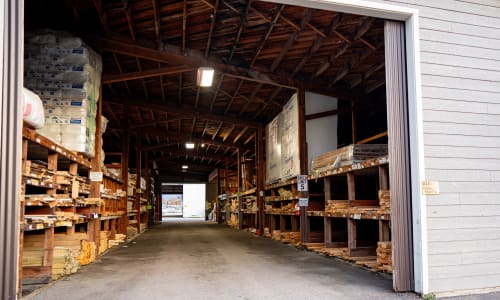
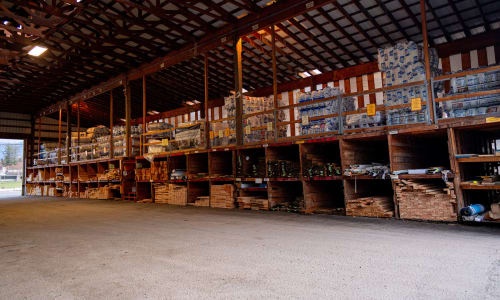
We carry Titebond across all 11 Montana and Idaho stores.


