

Steel fascia that actually handles Montana weather. The 29 gauge hot-dipped galvanized steel substrate (ASTM A653) delivers the rigidity that aluminum can’t match. At 0.0172 inches nominal thickness, this fascia won’t oil-can or dent like the thin aluminum alternatives contractors keep replacing.
Skip it if weight matters more than performance. Steel is significantly stronger and more rigid than the standard .024 gauge aluminum, but that strength comes with mass. The trade-off is worth it for anyone tired of callbacks about wavy fascia or impact damage from hail.

Steel Construction That Performs
The numbers tell the story. Hot-dipped galvanized steel meeting ASTM A653 provides a substrate that handles thermal cycling without the expansion issues that plague lighter materials. The 8-inch profile with a 15/16 inch face return gives you coverage and structural integrity in one piece.
Class A fire rating per ASTM E84 matters when you’re building in wildfire country. The coating system — 0.20 mil primer plus 0.75 mil SMP topcoat — isn’t just paint. Tested to ASTM B117 for salt fog resistance (75%), it handles road salt exposure better than most residential-grade products.
| Specification | Value |
|---|---|
| Material | Hot-dipped galvanized steel (ASTM A653) |
| Gauge | 29 gauge (0.0172” nominal) |
| Width Profile | 8 inches |
| Length | 12 feet |
| Face Return | 15/16 inch |
| Primer Thickness | 0.20 mil |
| Topcoat Thickness | 0.75 mil SMP (dry-film) |
| Fire Rating | Class A (ASTM E84) |
| Salt Fog Resistance | 75% (ASTM B117) |
The woodgrain or smooth finish options give you flexibility, though woodgrain is standard for the S-SSL8 series. Either way, you’re getting a product that sheds dirt and resists scratches and corrosion — critical when you’re dealing with Montana’s freeze-thaw cycles and road spray.
Installation Details That Matter
Thermal movement kills fascia installations. Rollex addresses this with specific installation requirements that contractors need to follow. Pre-drill nailing holes every 18-24 inches, slightly larger than nail shank. That extra clearance isn’t sloppiness — it’s engineering for expansion.
Leave 1/32” clearance for thermal expansion/contraction when nailing. Nail using 3/4” aluminum nails through pre-drilled holes; do not drive flush. Driving nails tight is how you get buckling come July.
For long runs, overlap by 1 inch, keeping nails at least 1.5 inches from the overlap. This overlap detail prevents the telegraphing you see with improperly joined sections.
Install undersill molding if required (do not face-nail) — face-nailing defeats the thermal movement allowance built into the system. Install cover by sliding bottom leg under drip edge or molding for proper water management.
Tools stay simple: straight-edge ruler, utility knife or scoring tool, drill, hammer, aluminum nails. No specialty equipment needed, but following the installation sequence matters more than having fancy tools.

Real-World Performance
Reviews generally highlight the ‘like-new’ appearance for decades and the ease of matching with siding. That long-term appearance retention comes from the coating system’s performance under UV and moisture cycling.
The limited lifetime warranty covers manufacturing defects, with some products (e.g., Aurora line) featuring a 35-year fade and chalk resistance warranty. Warranty coverage varies by product line, so verify which warranty applies to your specific order.
Designed to complement Rollex Aurora and Navigator steel siding series, the fascia ensures color match across the entire exterior system. White (01), Snowmist (116), or Cottage White (47) options available — all engineered to maintain color consistency with their siding counterparts.
Made from steel, it offers excellent durability and is finished with a scratch-resistant coating that sheds dirt. The product is environmentally friendly, recyclable, with 95% recycled content in the steel substrate.
Carton quantity: 10 pieces per carton; Pallet quantity: 360 pieces per pallet. Plan your orders accordingly — this packaging works well for full-house projects but might be overkill for small repairs.
Compatible with Rollex undersill molding and standard aluminum/steel drip edges. Accessories sold separately: undersill molding, aluminum nails, drip edge, soffit panels, F-Channel.
Montana Perspective
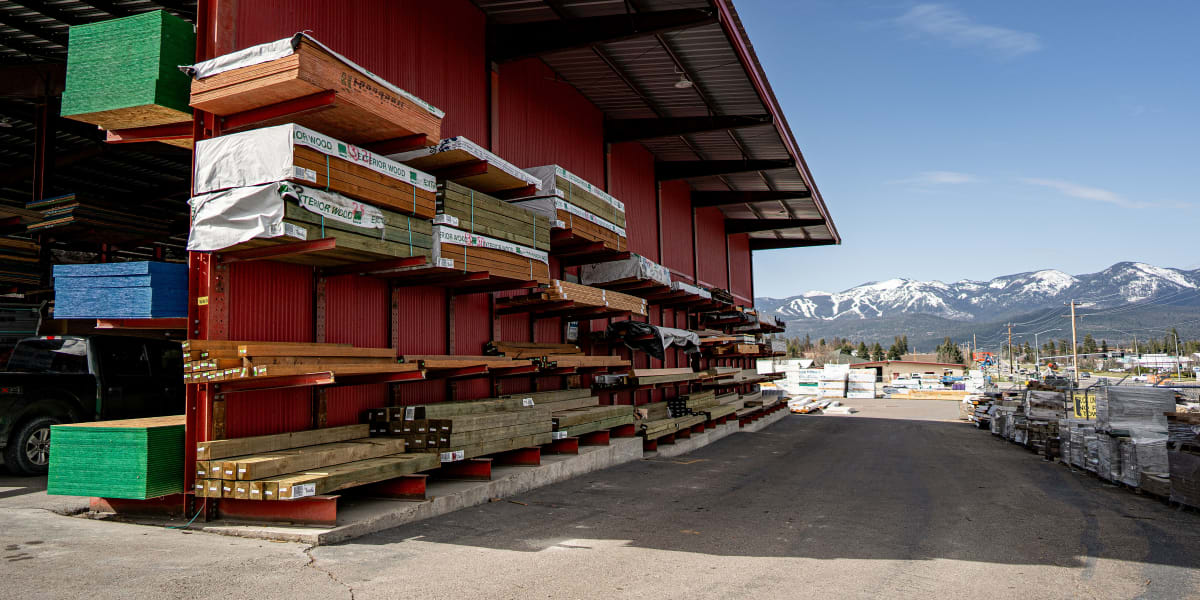
Aluminum fascia has its place — light weight, easy to work with, cheaper upfront. But watch aluminum fascia after five Montana winters. The freeze-thaw cycling works those thin profiles loose. Impact from hail or ice leaves permanent dents. The oil-canning effect gets worse each season.
This steel fascia costs more initially. No dancing around that fact. But steel provides superior resistance to impact and matches the finish of steel siding exactly. For contractors tired of callbacks about wavy fascia or homeowners who understand that Montana weather demands Montana-grade materials, the math works.
The certification list backs up the performance claims: ASTM A653 (Steel Substrate Specification), ASTM E84 (Class A Fire Rating), ASTM D523 (Specular Gloss), ASTM D3359 (Adhesion), ASTM D4145 (Flexibility/Coating Ductility), ASTM B117 (Salt Fog Resistance). Real testing, real standards, not marketing fluff.

FAQ
Q: What’s the actual thickness difference between this steel fascia and standard aluminum?
29 gauge steel measures 0.0172 inches nominal. Standard .024 gauge aluminum is technically thicker at 0.024 inches, but gauge thickness doesn’t tell the whole story. Steel’s superior strength and rigidity at 29 gauge outperforms thicker aluminum in real-world conditions. The steel won’t flex, oil-can, or dent like aluminum does.
Q: How critical is the pre-drilling requirement?
Absolutely critical. Pre-drill holes every 18-24 inches, slightly larger than nail shank. Skip this step and thermal expansion will buckle your fascia or tear around the nail holes. The 1/32” clearance for thermal expansion/contraction only works if you pre-drill properly. This isn’t a suggestion — it’s how the system is engineered to work.
Q: What does the salt fog testing actually mean for Montana installations?
ASTM B117 testing for 75% salt fog resistance translates to better performance against road salt spray — a real issue along Montana highways where mag chloride gets thrown up all winter. While marketed for coastal applications, this testing standard indicates the coating will handle winter road treatments without premature corrosion or coating failure.
Q: Can this fascia support gutters?
Gutter attachment ratings aren’t published for fascia covers specifically. 29 gauge hot-dipped galvanized steel has the strength, but proper gutter attachment depends on fastening through the fascia into solid backing — typically the rafter tails or a fascia board. The fascia cover alone shouldn’t be your only gutter support regardless of material.
Q: What’s included versus what needs separate purchase?
Included: Fascia panel (individual or in 10-count carton). Everything else is separate: undersill molding, aluminum nails, drip edge, soffit panels, F-Channel. 3/4” aluminum nails are specifically required — don’t substitute with whatever’s in your nail bag.
Ready to Get Started?
Our building materials specialists can help you find the right Rollex products for your project.
More from Rollex


Explore All Rollex Products
We carry Rollex across all 11 Montana and Idaho stores.


