
Worth it for contractors who need portable, outdoor-safe heating with serious runtime. The 18,000 BTU output covers 450 square feet, and you’ll get 24-72 hours on a single 20-pound tank depending on your heat setting. The radiant heat works well in Montana’s dry cold, and the 7,000-foot elevation limit covers most worksites across the state.
Skip it if you need indoor heat. This unit is outdoor use only, so it won’t help inside partially framed structures or enclosed workshops. For those situations, you’re looking at different equipment entirely.

Runtime That Actually Matters to Contractors
Three heat settings give you 6,000, 12,000, or 18,000 BTUs. On low, a standard 20-pound propane tank runs this heater for 72 hours. Crank it to high and you’re looking at 24 hours. That’s three full days on low or one full day on high — real numbers that translate to fewer propane runs when you’re 30 miles from town.
The math works out better than most jobsite heaters. Running on medium (12,000 BTU) splits the difference — figure 48 hours per tank. That’s a solid work week without hauling cylinders, which matters when you’re trying to keep crews productive instead of making supply runs.
Safety Features and Jobsite Reality
The unit packs an ODS (Oxygen Depletion Sensor) and tip-over switch, plus CSA certification. Standard safety gear, but here’s what matters: the tip-over switch actually works when some knucklehead backs into it with a wheelbarrow. The ODS shuts things down if oxygen drops too low, though that’s less critical outdoors than in enclosed spaces.
Piezo ignition means no batteries or electric connection needed. Push the button, it sparks, you’ve got heat. Simple reliability when everything else on site runs on batteries that die in the cold.
The 3-foot clearance requirement is real. Don’t stick this next to lumber stacks or under tarps. Radiant heat doesn’t play nice with combustibles, and jobsite fires end careers.
Built for Moving Between Sites
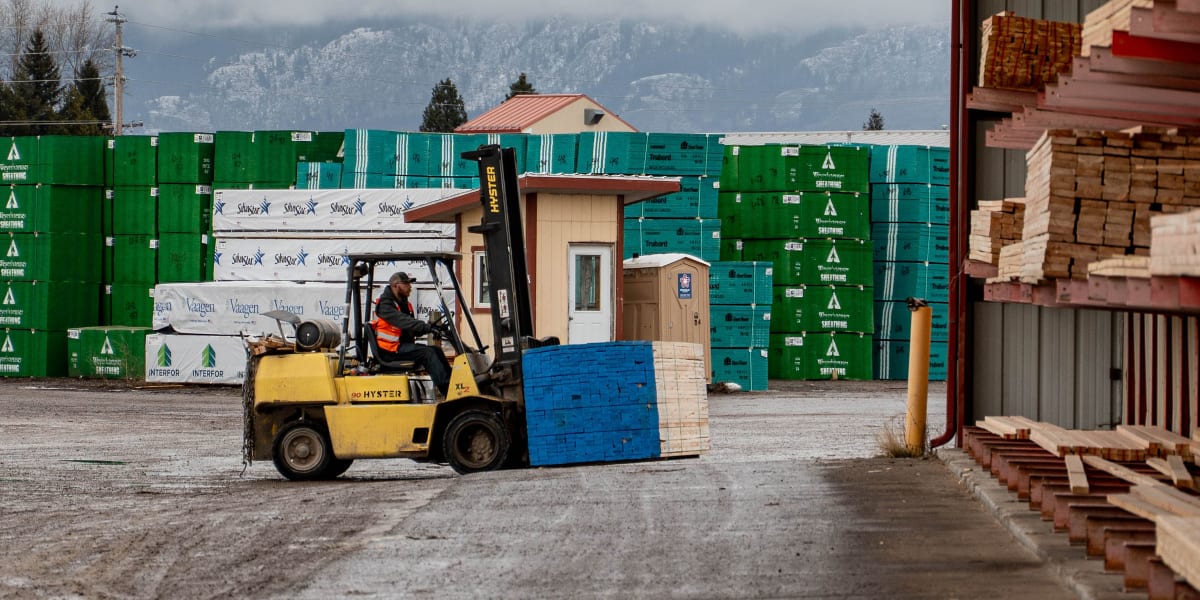
At 19 pounds empty and measuring 15x16x22 inches, this cabinet heater moves easily. The lockable casters handle jobsite terrain — gravel, dirt, plywood decking. Internal tank storage keeps the 20-pound cylinder protected and the whole unit balanced.
The casters lock, which matters more than you’d think. Set it on a slight grade without locking the wheels, and you’ll find it rolled into your materials pile by lunch. The internal tank design also protects the cylinder valve from getting knocked around during transport.
Reviews call out the portability as a real strength, and that tracks with the design. You’re not wrestling a 100-pound torpedo heater here. One person can load and unload this from a truck bed without throwing out their back.

What 7,000 Feet Really Means
The 7,000-foot maximum operating elevation covers every Montana jobsite outside of serious mountain construction. Kalispell sits at 2,900 feet. Great Falls is at 3,300. Even Butte only hits 5,500 feet. Unless you’re building ski patrol huts, elevation won’t limit this heater.
Radiant heat performs better at altitude than forced-air units that struggle with thin air. No fan means no airflow issues. The infrared heat warms objects and people directly — ideal for open-air jobsites where forced air just blows away.

Technical Specifications
| Specification | Value |
|---|---|
| Heat Output | 6,000 / 12,000 / 18,000 BTU |
| Coverage Area | 450 sq ft |
| Fuel Type | Liquid Propane (20 lb cylinder) |
| Runtime @ Low | 72 hours |
| Runtime @ High | 24 hours |
| Dimensions | 15” W x 16” D x 22” H |
| Weight | 19 lbs |
| Max Elevation | 7,000 ft |
| Ignition Type | Piezo |
| Safety Features | ODS sensor, Tip-over switch |
| Certifications | CSA Certified |
| Warranty | 1-Year Limited |
The Reality Check
Contractors praise these units for construction sites, workshops, and garages, which aligns with the outdoor-only design. The quiet operation matters when you’re trying to communicate on site — radiant heaters don’t have the constant roar of forced-air units.
The pilot light reliability comes up as a weakness in reviews. Cold, windy conditions can make initial lighting frustrating. Once lit, it stays lit, but getting there sometimes takes patience. Keep a windbreak handy for initial startup on blustery days.
The complete kit includes the heater, hose, regulator, and casters — everything except the propane tank. No hunting for adapters or buying accessories separately. It’s ready to work out of the box.
Frequently Asked Questions
Q: Can I use this heater inside a garage with the door open?
No. This heater is certified for outdoor use only, requiring 3 feet of clearance on all sides. Even with ventilation, using it indoors violates the safety certification and creates carbon monoxide risks. For garage heating, you need an indoor-rated unit.
Q: How long will a 20-pound propane tank actually last in Montana winter conditions?
On the low 6,000 BTU setting, expect 72 hours of runtime. Medium (12,000 BTU) cuts that roughly in half, and high (18,000 BTU) gives you about 24 hours. Cold weather slightly reduces propane efficiency, so figure 10-15% less runtime when it’s below zero.
Q: Will this work at ski resort construction sites above 7,000 feet?
No. The heater’s maximum operating elevation is 7,000 feet. Above that altitude, you’ll experience incomplete combustion and potential safety issues. For high-altitude work, you need equipment specifically designed for thin air.
Q: What’s the actual heated area coverage?
The manufacturer rates it for 450 square feet. That’s optimistic for open jobsites with wind. Figure 300-350 square feet of effective heating in typical outdoor conditions. Position it strategically where crews are actually working rather than trying to heat an entire site.
Q: Do the casters handle rough jobsite terrain?
The lockable casters are included and handle basic jobsite surfaces — gravel, dirt, plywood decking. They’re not heavy-duty industrial casters, so don’t expect to roll this across deep mud or major obstacles. For really rough terrain, you’ll be carrying it.
Ready to Get Started?
Our building materials specialists can help you find the right Mr. Heater products for your project.
More from Mr. Heater


Explore All Mr. Heater Products
We carry Mr. Heater across all 11 Montana and Idaho stores.


