

The Cutler-Hammer 30A double pole breaker protects 240V circuits for well pumps, water heaters, and central AC units up to 36,000 BTU. Montana contractors trust these breakers for their 10kAIC interrupting rating at 240V — enough muscle to handle fault currents in residential and light commercial panels.
The real choice comes down to panel compatibility. CH series breakers mount on 3/4-inch rails and work exclusively with Cutler-Hammer Type CH load centers. BR series use the standard 1-inch mounting and drop right into Bryant, Westinghouse, and Challenger panels — critical for retrofitting Montana homes built from the 1960s through 1990s.

Technical Specifications and Panel Compatibility
BR series is the 1” standard and broadly compatible with legacy brands. They are NOT interchangeable in the same panel. Choose wrong and the breaker won’t physically fit.
| Specification | CH Series | BR Series |
|---|---|---|
| Amperage | 30A | 30A |
| Voltage | 120/240V AC | 120/240V AC |
| Interrupting Rating | 10 kAIC | 10 kAIC |
| Wire Size | 14-8 AWG (Cu/Al) - Typically 10 AWG Copper for 30A | 14-8 AWG (Cu/Al) |
| Mounting Width | 3/4-inch per pole | 1-inch per pole |
| Panel Compatibility | Compatible ONLY with Cutler-Hammer Type CH Load Centers | Compatible with Eaton Type BR Load Centers and select legacy panels |
| Trip Type | Thermal-Magnetic | Thermal-Magnetic |
CHF models include a red ‘Trip Flag’ indicator for visual fault detection — handy for troubleshooting why a circuit tripped. The CH series features steel-to-steel connections and one-piece copper bus connection.
Both series carry UL Listed and CSA Certified ratings, plus HACR approval for heating and cooling equipment. BR breakers are officially UL approved replacements for Bryant, Westinghouse, and Challenger panels — not some aftermarket workaround.
Real Montana Applications
These 30A double pole breakers handle the workhorses of Montana properties:
- Well Pump Motors (1.5 - 3 HP) — Rural water systems depend on these breakers. A 2 HP submersible pump pulls about 24 amps at startup.
- Central Air Conditioning Units (typically up to 36,000 BTU) — Standard residential AC condensers need reliable overcurrent protection.
- 240V Electric Clothes Dryers — Every laundry room needs one.
- Residential Water Heaters — Electric tank heaters pull steady current.
- 240V Power Tools (Table saws, compressors) — Shop equipment protection.
The 10 kAIC interrupting rating handles typical residential fault currents. For Montana’s rural properties with long wire runs from the transformer, that’s plenty of protection.

Installation and Torque Specs
Installation follows standard procedure: Turn off main power to the panel. Remove panel cover and identify two adjacent 3/4” (CH) or 1” (BR) slots. Snap breaker onto the bus bar (plug-on). Connect two hot wires (typically 10 AWG Copper) to the load terminals. Torque terminal screws to 35-45 lb-in (check label for exact specs). Restore power and test for continuity.
That torque spec matters. Under-torqued connections cause heat buildup and eventual failure. Over-torqued terminals crack or strip. Hit that 35-45 lb-in sweet spot.
CH breakers move to a Trip-to-OFF position (Handle moves to center/OFF upon trip), making it obvious when they’ve tripped. BR series use standard center-position trip — same function, just without the visual flag of CHF models.

Contractor Feedback
Reviews average 4.6 - 4.8 out of 5.0 across retailers. Contractors praise easy installation, perfect fit for older panels, reliable tripping mechanism, and OEM quality.
Common complaints include cosmetic scratches from shipping. Those scratches don’t affect function — purely cosmetic on a component that lives behind a panel cover.
The Bottom Line
For Montana contractors, the choice between CH and BR comes down to the panel you’re working with. Got a Cutler-Hammer CH panel? Spring for the CH series — they’re compatible ONLY with CH load centers. Working on an older Bryant or Westinghouse panel common in 1970s-1990s Montana homes? BR series drops right in as a UL-approved replacement.
Both deliver the same electrical protection — 10kAIC interrupting rating, thermal-magnetic trip function, and proper HACR rating for HVAC equipment. The CH series adds refinements like trip flags and steel-to-steel connections, but BR handles the job reliably.
For well pumps, water heaters, and AC units across Montana, either series provides code-compliant protection. Just match the breaker to your panel type and torque those terminals properly.
Frequently Asked Questions
What’s the difference between CH and BR series breakers?
CH series uses 3/4-inch mounting and only fits Cutler-Hammer CH panels. BR series uses standard 1-inch mounting and fits Eaton BR panels plus Bryant, Westinghouse, and Challenger legacy panels. They are NOT interchangeable in the same panel.
Can I use these breakers for my well pump?
Yes, these breakers protect well pump motors from 1.5 to 3 HP. Most residential submersible pumps fall within this range. Check your pump’s nameplate for exact amperage draw.
What size wire do I need for a 30A breaker?
Typically 10 AWG copper wire for 30A circuits. Both CH and BR series accept 14-8 AWG copper or aluminum conductors, but always follow local code requirements.
How tight should I torque the terminals?
Torque terminal screws to 35-45 lb-in. Use a torque screwdriver for accuracy — loose connections cause failures, over-tightening damages terminals.
Are these breakers suitable for AC units?
Yes, they protect central air conditioning units up to 36,000 BTU. Both series carry HACR ratings specifically for heating, air conditioning, and refrigeration circuits.
Ready to Get Started?
Our building materials specialists can help you find the right Cutler-Hammer products for your project.
More from Cutler-Hammer


Explore All Cutler-Hammer Products
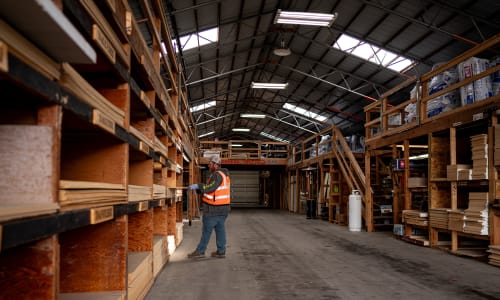
We carry Cutler-Hammer across all 11 Montana and Idaho stores.


