
Clorox’s Clean-Up line centers on sodium hypochlorite formulations ranging from 1.84% to 2.4%, giving contractors real disinfecting power for everything from post-construction cleanup to mold remediation. The platform spans multiple specialized products, not just the basic all-purpose cleaner most folks know.
The Clean-Up Platform: More Than Just Spray Bottles
Tilex Mold & Mildew Remover packs 2.4% sodium hypochlorite — the highest concentration in the lineup. It kills 99.9% of mold and delivers a 1-minute contact time for SARS-CoV-2. The formula prevents mold regrowth for up to 4 weeks, which matters when you’re dealing with Montana basements that see spring snowmelt every year. With a 4.7-star rating from over 7,000 reviews, contractors trust it for bathroom renovations and flood damage cleanup.
The standard Clean-Up Cleaner + Bleach runs a lower concentration but adds versatility. It removes 99% of allergens and handles stainless steel, ceramic, granite, porcelain, enamel, and fiberglass. That broader surface compatibility makes it the workhorse for general job site cleanup where you can’t predict what surfaces you’ll encounter.
CloroxPro versions target commercial settings with EPA registration for healthcare facilities. The professional formulations matter for contractors working in medical buildings, schools, or anywhere liability concerns drive cleaning product selection.
Performance Specs That Matter
Contact times determine real-world effectiveness. Here’s what the testing shows:
| Application | Contact Time | Notes |
|---|---|---|
| SARS-CoV-2 | 1 minute (Tilex) | Critical for healthcare facilities |
| Mold/Mildew | 5 minutes | 10 minutes for porous surfaces |
| General disinfecting | Not specified | Kills 99.9% of germs and viruses |
EPA registration 5813-24-67619 backs up the mold claims. The pathogen list includes Staphylococcus aureus, Streptococcus pyogenes, Trichophyton mentagrophytes (Athlete’s Foot Fungus), Aspergillus niger (Mildew), and Salmonella enterica.

Surface Compatibility: What Works, What Doesn’t
Safe surfaces include glazed ceramic tile, sealed grout, tubs and fiberglass, shower doors and vinyl curtains, sinks and countertops, stainless steel, laminate plastic, and resilient flooring. Keep it away from natural marble, brass, varnished wood, and fabrics.
The bleach concentration differences matter here. Higher concentrations like Tilex’s 2.4% handle tougher mold but limit surface compatibility. Lower concentrations in standard Clean-Up expand what you can safely clean but might need longer contact times or repeat applications for stubborn mold.

Frequently Asked Questions
Q: What’s the shelf life on Clorox Clean-Up products? A: 12 months for Tilex Mold & Mildew Remover. Bleach degrades over time, so old bottles lose effectiveness.
Q: Can I mix these with other cleaners? A: Never. Don’t mix with ammonia, toilet bowl cleaners, or other acids — produces hazardous gases.
Q: Do the professional versions work better than retail? A: CloroxPro versions carry EPA registration for commercial settings including healthcare facilities. Same active ingredients, but the regulatory approvals matter for liability and compliance.
Q: How long before I can rinse after application? A: Depends on what you’re killing. Disinfecting and mold killing requires 5 minutes contact time. Porous surfaces need 10 minutes. For stain removal, wait until stains disappear, then rinse.
Q: Are the bleach-free options worth considering? A: The research mentions bleach-free versions exist but doesn’t provide performance data. Without specs, can’t make a recommendation.
Ready to Get Started?
Our building materials specialists can help you find the right Clorox products for your project.
More from Clorox


Explore All Clorox Products
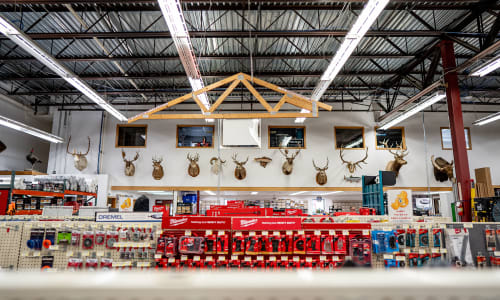
We carry Clorox across all 11 Montana and Idaho stores.


